Sudan & South Sudan: From Civil War to Independence
The story of Sudan and South Sudan is one of the longest and most complex conflicts in modern African history. Spanning more than five decades, the struggle between the northern and southern regions of Sudan involved colonial legacies, ethnic and religious divisions, political marginalization, and fierce battles over identity and resources. The conflict ultimately led to the creation of Africa’s newest nation, South Sudan, in 2011.
Understanding this history is essential to grasping the challenges and hopes that continue to shape the region today.
Colonial Roots and the Seeds of Division
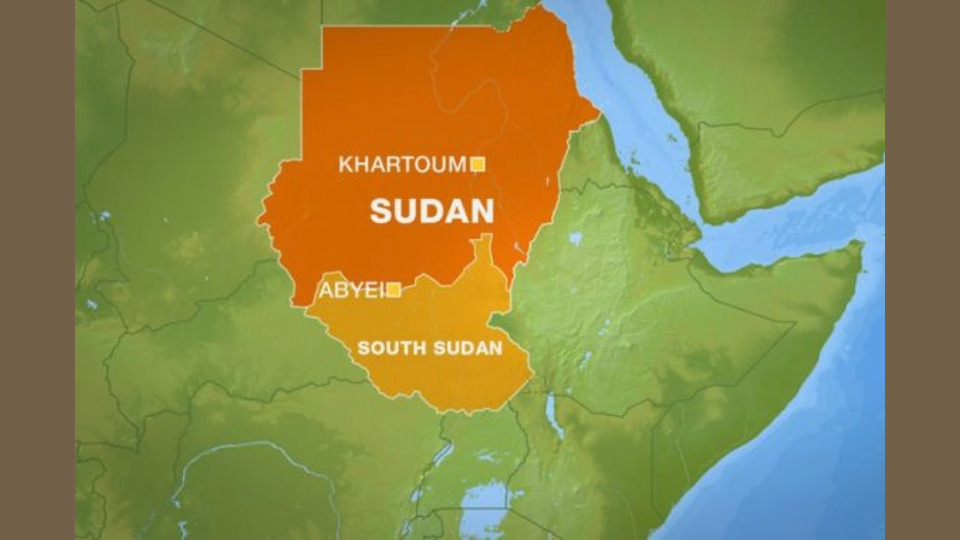
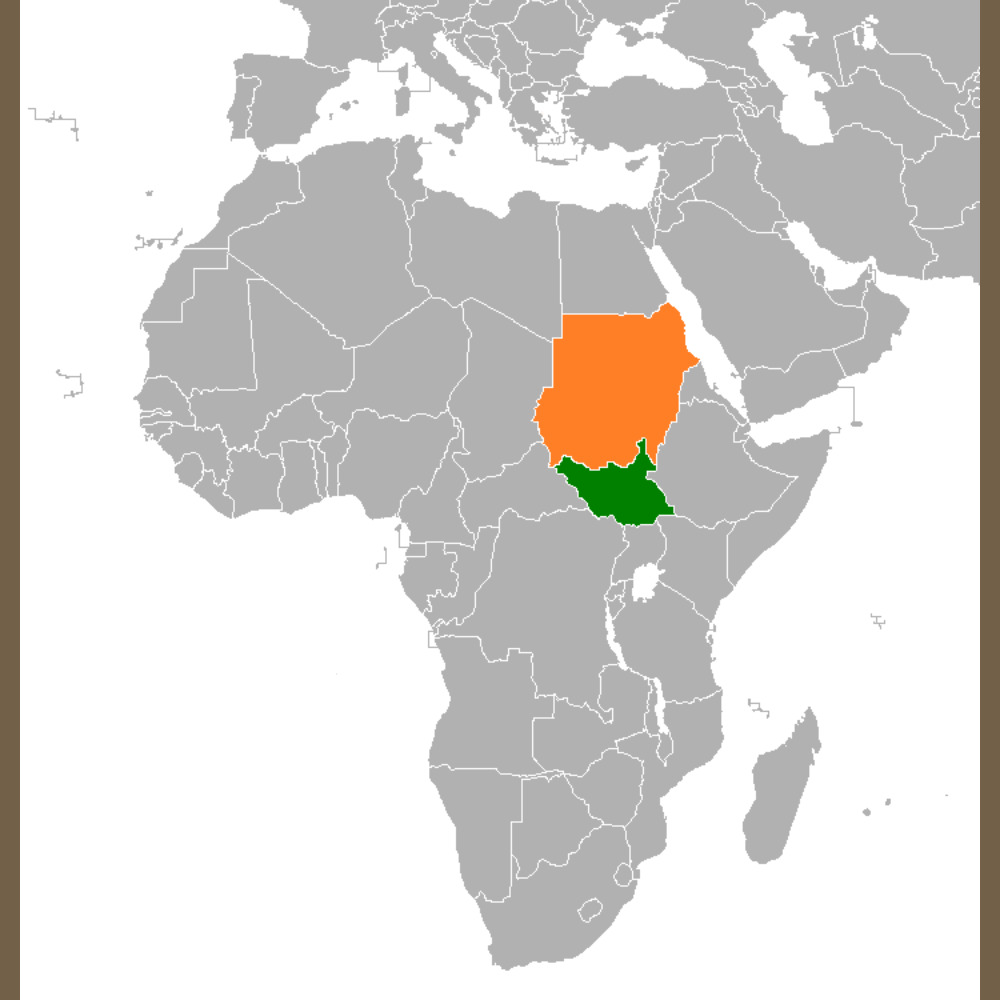
Sudan and South Sudan
South Soudan seceeded from Sudan . Image Ref: AlJazeera
Sudan’s modern conflicts trace back to the Anglo‑Egyptian colonial period (1899–1956). The British administered the North and South separately, reinforcing differences rather than building a unified state.
- Northern Sudan was predominantly Arab and Muslim, with stronger political and economic ties to Egypt and the Middle East.
- Southern Sudan was largely African, non‑Arab, and mostly Christian or traditionalist, with far less development and political representation.
When Britain abruptly unified the regions and granted independence in 1956, Sudan inherited a fractured political landscape with no mechanisms for power‑sharing or inclusion.
The First Sudanese Civil War (1955–1972)
Even before independence, southern soldiers mutinied in 1955, fearing domination by the northern elite. This sparked the First Sudanese Civil War, led primarily by the Anyanya movement, which demanded autonomy for the South.
The war lasted 17 years, ending with the Addis Ababa Agreement (1972). The agreement granted the South limited autonomy, but it did not resolve deeper issues of identity, governance, and resource control.
The Rise of the SPLA and the Second Civil War (1983–2005)
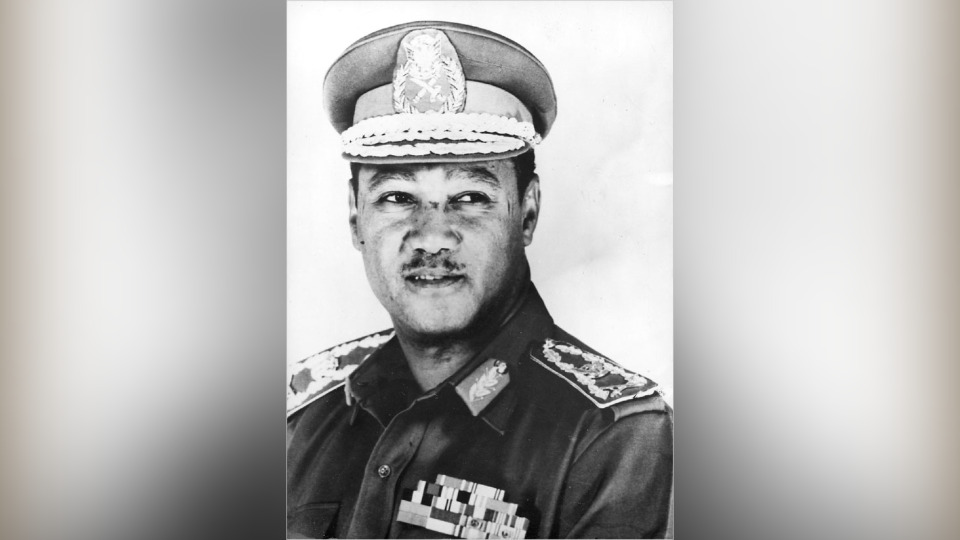
Jaafar Nimeiry
Image Ref: https://commons.wikimedia.org/wiki/File:Gaafar_Nimeiry_in_1974.jpg
Peace collapsed in 1983 when President Jaafar Nimeiri revoked southern autonomy, imposed Sharia law nationwide, and attempted to redraw regional boundaries to place oil‑rich areas under northern control.
In response, southern rebels formed the Sudan People’s Liberation Army (SPLA) under John Garang, launching the Second Sudanese Civil War—one of the deadliest conflicts in post‑colonial Africa.
Key drivers of the conflict:
- Religious and cultural repression
- Political exclusion
- Control of oil reserves
- Militarization and foreign involvement
The war devastated communities, displaced millions, and resulted in an estimated 2 million deaths, largely from famine and disease.
International Pressure and the Road to Peace
By the late 1990s and early 2000s, global pressure mounted. The United States, African Union, and regional governments pushed for negotiations. After years of talks, the Comprehensive Peace Agreement (CPA) was signed in 2005.
The CPA included:
- A six‑year transitional period
- Wealth‑sharing agreements (especially oil revenue)
- Security arrangements
- A guaranteed referendum on southern independence
The agreement ended the civil war but left many unresolved tensions.
The Birth of South Sudan (2011)
In January 2011, South Sudan held its long‑promised referendum. An overwhelming 98.8% voted for independence.
On July 9, 2011, South Sudan officially became the world’s newest nation. Celebrations erupted across the region, marking the end of a 56‑year struggle for self‑determination.
Ongoing Challenges
Independence did not end conflict in the region. Sudan continued to face political upheaval, while South Sudan descended into its own civil war in 2013, driven by political rivalries and ethnic tensions.
Still, the 2011 separation remains a landmark moment in African history—a testament to the enduring pursuit of autonomy, identity, and peace.
Legacy
Although the war officially ended in 2003, its consequences continue to shape the Democratic Republic of Congo. Armed groups remain active in the east, and conflicts over land, identity, and resources persist. The war also transformed regional politics, redefining alliances and rivalries across Central and East Africa.
The Second Congo War stands as a stark reminder of how colonial borders, regional instability, and resource competition can combine to produce catastrophic violence. It remains one of the most important case studies in African peacebuilding, international intervention, and post‑conflict reconstruction.
References
Sudan: Civil Wars and Independence. Encyclopaedia Britannica. https://www.britannica.com/place/Sudan
South Sudan: History and Independence. BBC News – Africa. https://www.bbc.com/news/world-africa-14019202
Comprehensive Peace Agreement (2005). United Nations Peacemaker. https://peacemaker.un.org/sudan-comprehensiveagreement2005 (peacemaker.un.org in Bing)
Sudan and South Sudan Conflict Background. International Crisis Group. https://www.crisisgroup.org

latest video


nia via inbox
Stay connected. Subscribe and get updated on what's new with Nia!