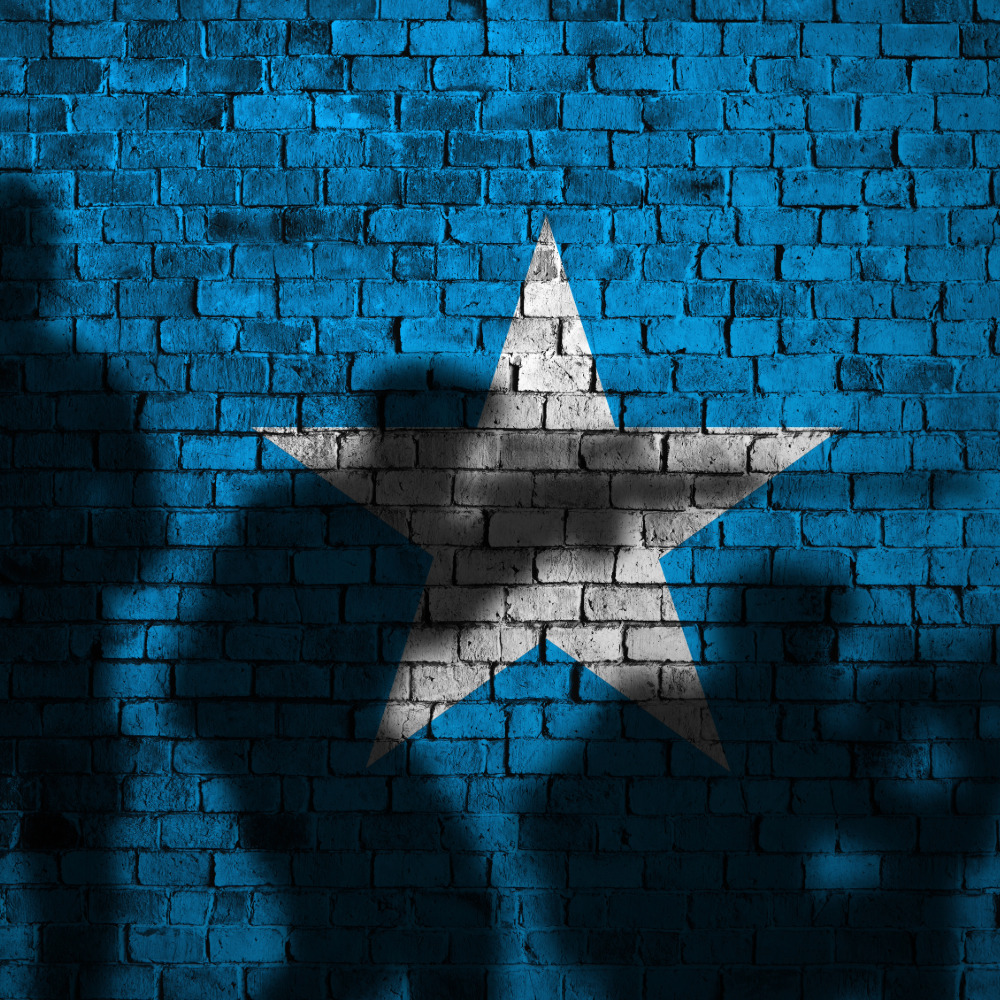
Somalia’s State Collapse and the Search for Stability
The collapse of the Somali state in 1991 remains one of the most dramatic and enduring crises in modern African history. Once seen as a strategically important nation in the Horn of Africa, Somalia descended into civil war, famine, and institutional breakdown after the fall of its longtime ruler, Siad Barre. The decades that followed were marked by clan‑based conflict, warlordism, foreign intervention, and the rise of extremist groups — but also by persistent efforts at peacebuilding and reconstruction. Somalia’s story is one of profound hardship, but also of resilience and ongoing attempts to rebuild a functioning state.
The Fall of Siad Barre and the Collapse of the State
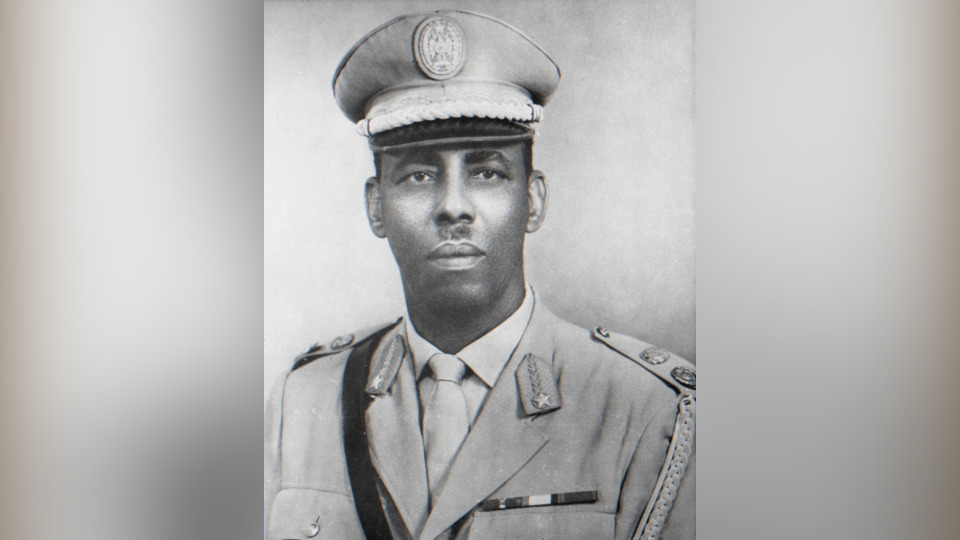
Siad Barre – 3rd President of Somalia
Image Ref: Wikipedia
Somalia’s modern crisis began with the overthrow of President Mohamed Siad Barre in January 1991. Barre’s authoritarian regime had ruled since 1969, relying on clan favoritism, repression, and Cold War alliances. By the late 1980s, armed opposition movements — including the Somali National Movement (SNM) and United Somali Congress (USC) — were gaining strength.
When Barre fled Mogadishu, no unified opposition existed to replace him. Instead, rival clan‑based militias fought for control of the capital and key regions. With no central authority, Somalia rapidly descended into chaos:
- Government ministries collapsed
- Public services disappeared
- Armed groups seized territory
- Famine spread across the country
By late 1991, Somalia had become a failed state, with no functioning national government.
Civil War, Famine, and International Intervention
The early 1990s were marked by intense fighting between warlords, especially in Mogadishu. The conflict disrupted agriculture and humanitarian aid, contributing to a devastating famine in 1992 that killed an estimated 200,000–300,000 people.
In response, the United Nations launched UNOSOM I, followed by the U.S.-led Operation Restore Hope in December 1992. The mission aimed to secure humanitarian corridors and stabilize the country. While initially successful in delivering aid, the mission became entangled in local power struggles.
The turning point came in 1993, when fighting between UN forces and militias loyal to warlord Mohamed Farrah Aidid escalated. The infamous Battle of Mogadishu (popularly known as “Black Hawk Down”) resulted in heavy casualties and led to the withdrawal of U.S. forces in 1994 and the end of UN operations in 1995.
Somalia was once again left without international support or a central government.
Fragmentation and the Rise of New Actors
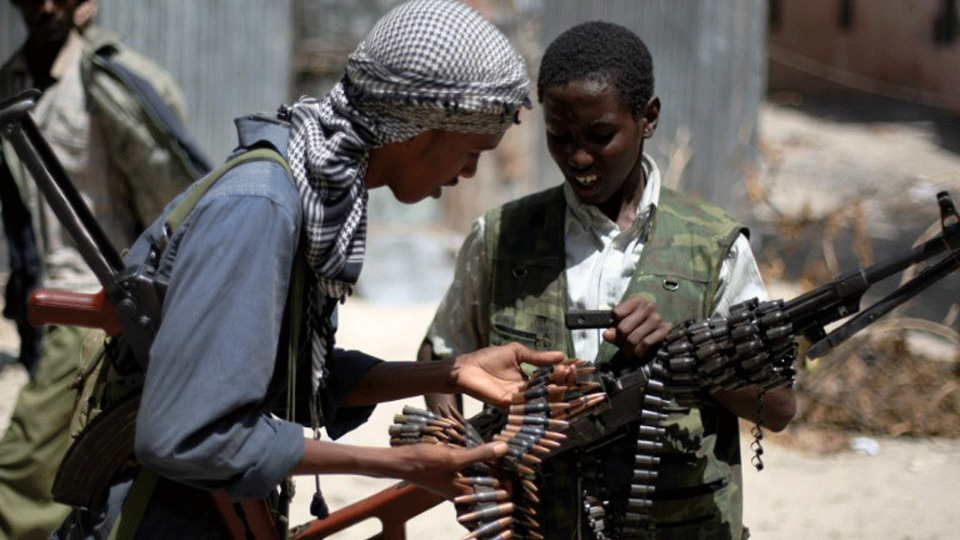
AlShabaab – An armed Islamist extremist group
Image Ref: crisgroup.org
In the absence of a national government, Somalia fragmented into semi‑autonomous regions:
- Somaliland declared independence in 1991 (though not internationally recognized)
- Puntland established autonomous governance in 1998
- Southern Somalia remained contested by militias and warlords
By the early 2000s, a new force emerged: the Islamic Courts Union (ICU), a coalition of Sharia‑based courts that brought relative stability to Mogadishu. However, Ethiopia — fearing a hostile Islamist government on its border — intervened militarily in 2006, toppling the ICU with U.S. support.
This intervention contributed to the rise of al‑Shabaab, an extremist group that grew out of the ICU’s youth wing and became one of the most dangerous insurgent movements in Africa.
The Search for Stability: Peace Processes and the Federal Government
Despite ongoing conflict, Somalia has made significant political progress since the late 2000s:
- In 2012, Somalia established the Federal Government of Somalia (FGS), the first internationally recognized central government since 1991.
- The African Union Mission in Somalia (AMISOM) played a crucial role in pushing al‑Shabaab out of major cities.
- Federal member states — including Jubaland, Galmudug, and Southwest State — were formed to decentralize governance.
Somalia continues to face challenges, including political disputes, clan tensions, and al‑Shabaab insurgency. Yet the country has seen improvements in governance, economic activity, and international engagement.
Legacy and Ongoing Challenges
Somalia’s state collapse remains one of the most complex crises in African history. It exposed the fragility of post‑colonial states, the dangers of clan‑based politics, and the limits of international intervention. But it also demonstrated the resilience of Somali communities, the importance of local peacebuilding, and the potential for gradual reconstruction.
Somalia’s journey toward stability is far from complete, but its progress since 2012 shows that even the most fragile states can rebuild through persistence, negotiation, and regional cooperation.
References
Somalia: Civil War and State Collapse. Encyclopaedia Britannica. https://www.britannica.com/place/Somalia
Somalia Profile – Timeline. BBC News – Africa. https://www.bbc.com/news/world-africa-14094503
Somalia: Background and Conflict Analysis. International Crisis Group. https://www.crisisgroup.org
UNOSOM and Operation Restore Hope. United Nations Peacekeeping. https://peacekeeping.un.org

latest video


nia via inbox
Stay connected. Subscribe and get updated on what's new with Nia!