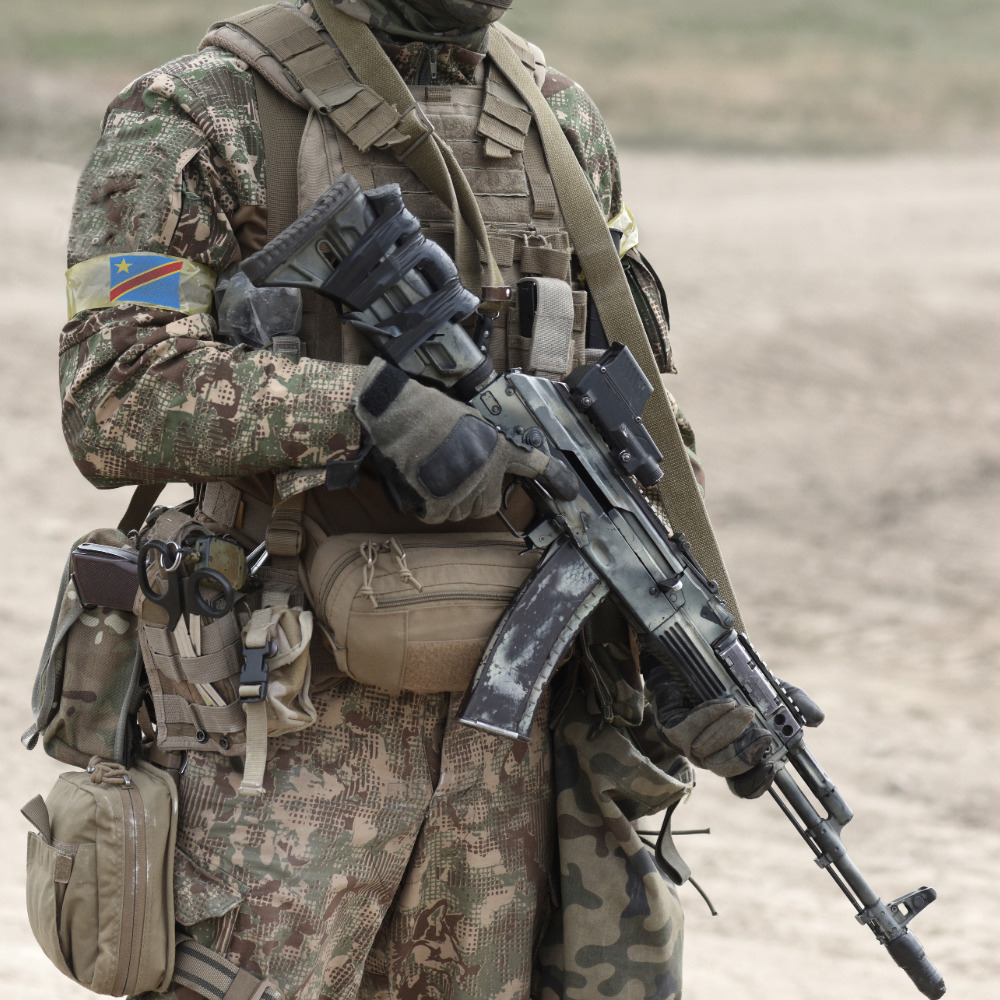
The Second Congo War: Africa’s World War
The Second Congo War, fought from 1998 to 2003, is the deadliest conflict in modern African history and the largest interstate war the continent has ever seen. Involving nine African nations and more than 25 armed groups, the war reshaped Central Africa, destabilized the Great Lakes region, and left an estimated 5 million people dead, mostly from disease and starvation. Its scale earned it the name “Africa’s World War.”
Origins: A Region Already in Crisis
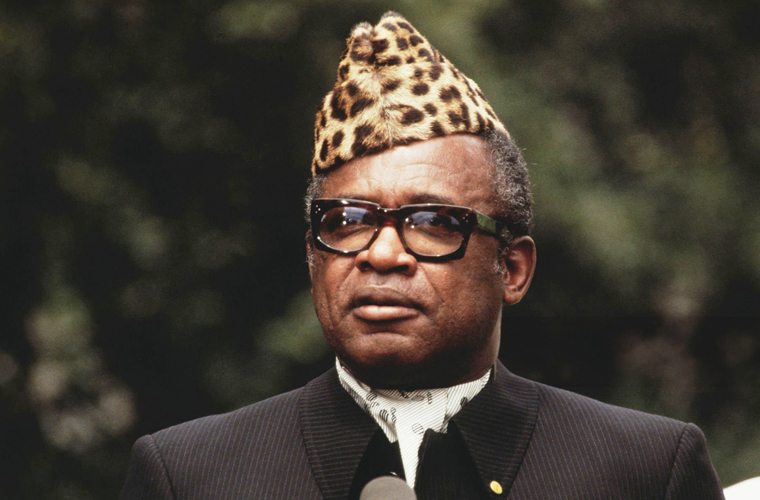
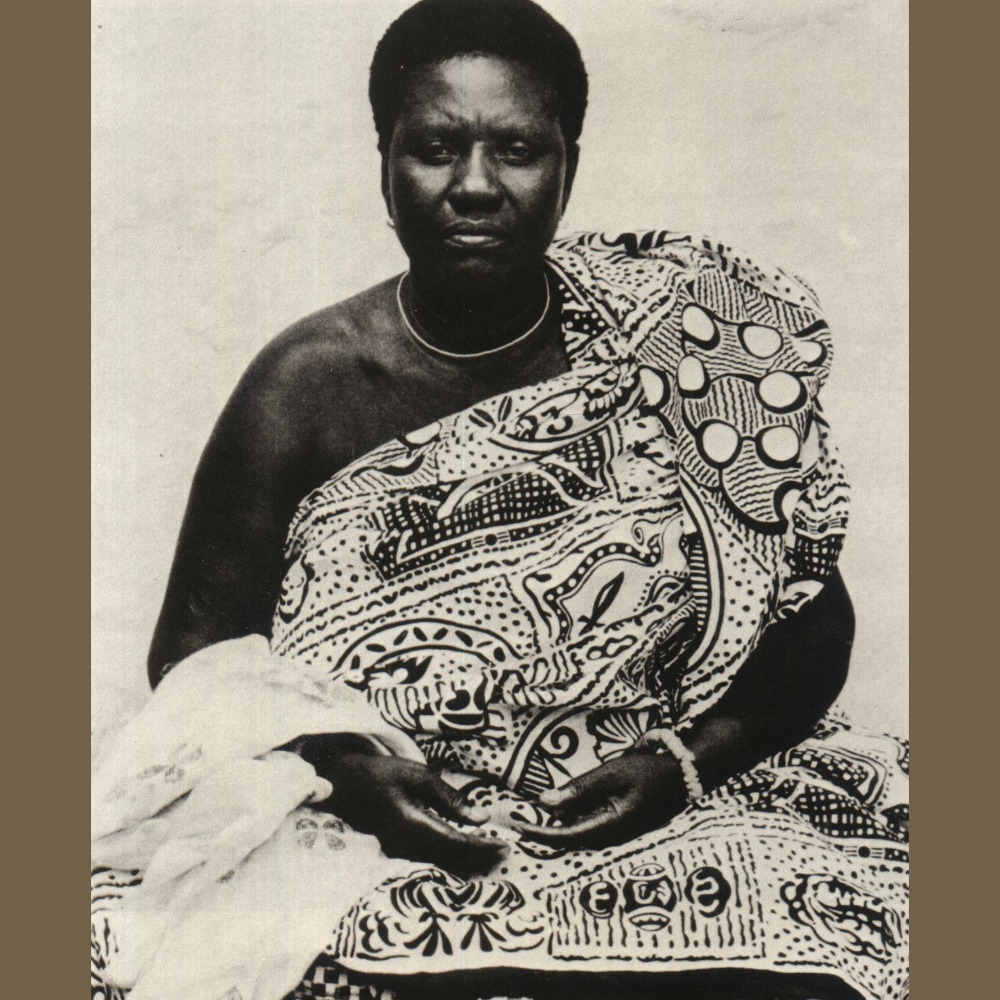
Mobutu Sese Seko
Mobutu Sese Seko was a prominent figure in the history of the Democratic Republic of the Congo. Image Ref: SamePassage.org
The roots of the conflict lie in the aftermath of the 1994 Rwandan Genocide. After the genocide, over a million Hutu refugees—including members of the Interahamwe militia—fled into eastern Zaire (now the Democratic Republic of Congo). Armed groups used refugee camps as bases to attack Rwanda, prompting Rwanda and Uganda to support a rebellion against Zaire’s longtime dictator, Mobutu Sese Seko.
In 1996, this rebellion—led by Laurent-Désiré Kabila—toppled Mobutu and installed Kabila as president. But the alliance quickly fractured. By 1998, Kabila had fallen out with Rwanda and Uganda, expelling their military advisers and attempting to assert independence. This triggered a new rebellion, backed by Rwanda and Uganda, aimed at removing him from power.
The Outbreak of War
In August 1998, rebel forces launched a rapid offensive toward the capital, Kinshasa. Kabila appealed for help, and Angola, Zimbabwe, and Namibia intervened on his side. What began as a domestic rebellion escalated into a full regional war.
The conflict soon split the country into multiple zones controlled by foreign armies and rebel factions. Eastern Congo became the epicenter of violence, with Rwanda and Uganda occupying mineral‑rich territories and supporting rival militias.
A War Driven by Resources
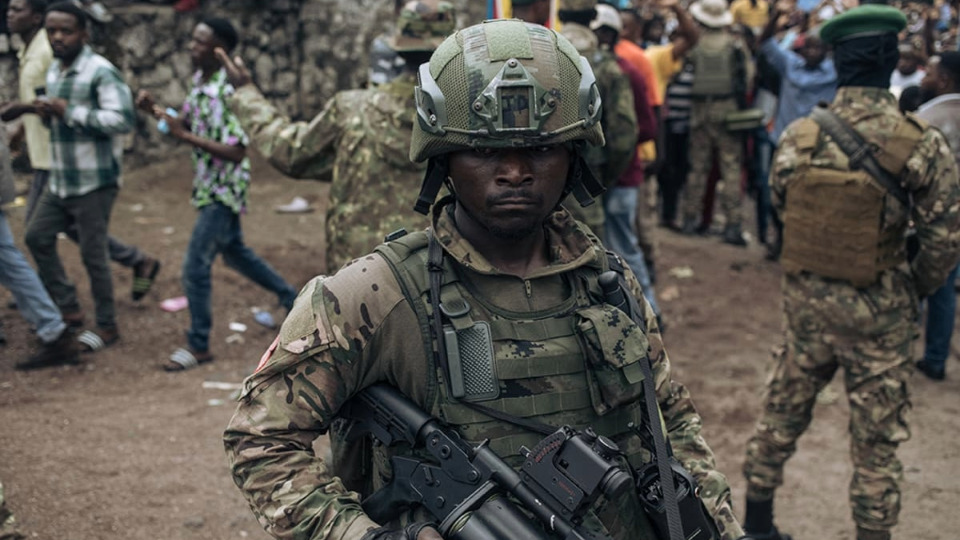
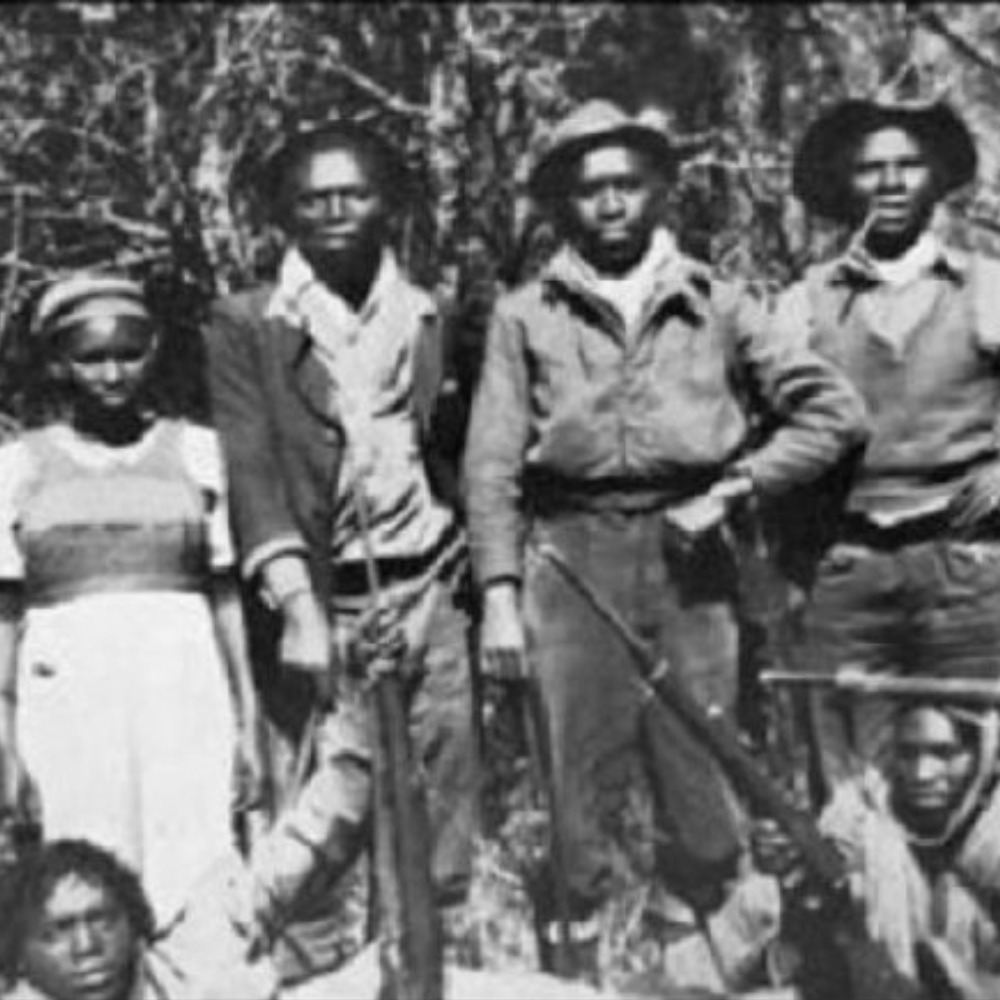
A Soldier during Conflict in the DRC
Image Ref: cfr.org
Although ethnic tensions and political rivalries fueled the conflict, natural resources played a central role. Eastern Congo contains vast deposits of:
- Coltan (critical for electronics)
- Gold
- Diamonds
- Tin and tungsten
Armed groups and foreign armies exploited these resources to finance their operations. The war blurred the lines between political conflict and economic extraction, creating a cycle of violence that persisted even after official peace agreements.
Humanitarian Catastrophe
The Second Congo War produced one of the worst humanitarian crises of the 20th century. While direct combat caused tens of thousands of deaths, the vast majority—millions—died from:
- Disease
- Malnutrition
- Displacement
- Collapse of health systems
Sexual violence was used systematically by multiple armed groups, devastating communities and leaving long‑term social trauma.
By 2003, the conflict had displaced more than 3 million people, and eastern Congo remains unstable to this day.
Diplomatic Efforts and the Path to Peace
Peace efforts began as early as 1999 with the Lusaka Ceasefire Agreement, which called for a ceasefire, disarmament of militias, and deployment of a UN peacekeeping mission (MONUC). But fighting continued, especially between Rwanda‑ and Uganda‑backed factions.
The turning point came after Laurent Kabila was assassinated in January 2001 and succeeded by his son, Joseph Kabila, who proved more willing to negotiate. A series of agreements between 2002 and 2003—most notably the Pretoria Accord and the Sun City Agreement—led to the withdrawal of foreign armies and the formation of a transitional government.
Legacy
Although the war officially ended in 2003, its consequences continue to shape the Democratic Republic of Congo. Armed groups remain active in the east, and conflicts over land, identity, and resources persist. The war also transformed regional politics, redefining alliances and rivalries across Central and East Africa.
The Second Congo War stands as a stark reminder of how colonial borders, regional instability, and resource competition can combine to produce catastrophic violence. It remains one of the most important case studies in African peacebuilding, international intervention, and post‑conflict reconstruction.
References
Second Congo War. Encyclopaedia Britannica.
https://www.britannica.com/event/Second-Congo-War \
The Congo Wars. International Rescue Committee Reports.
https://www.rescue.org/article/congo-wars
The Second Congo War: Causes and Consequences. Oxford Research Encyclopedia of African History.
https://oxfordre.com/africanhistory

latest video

nia via inbox
Stay connected. Subscribe and get updated on what's new with Nia!