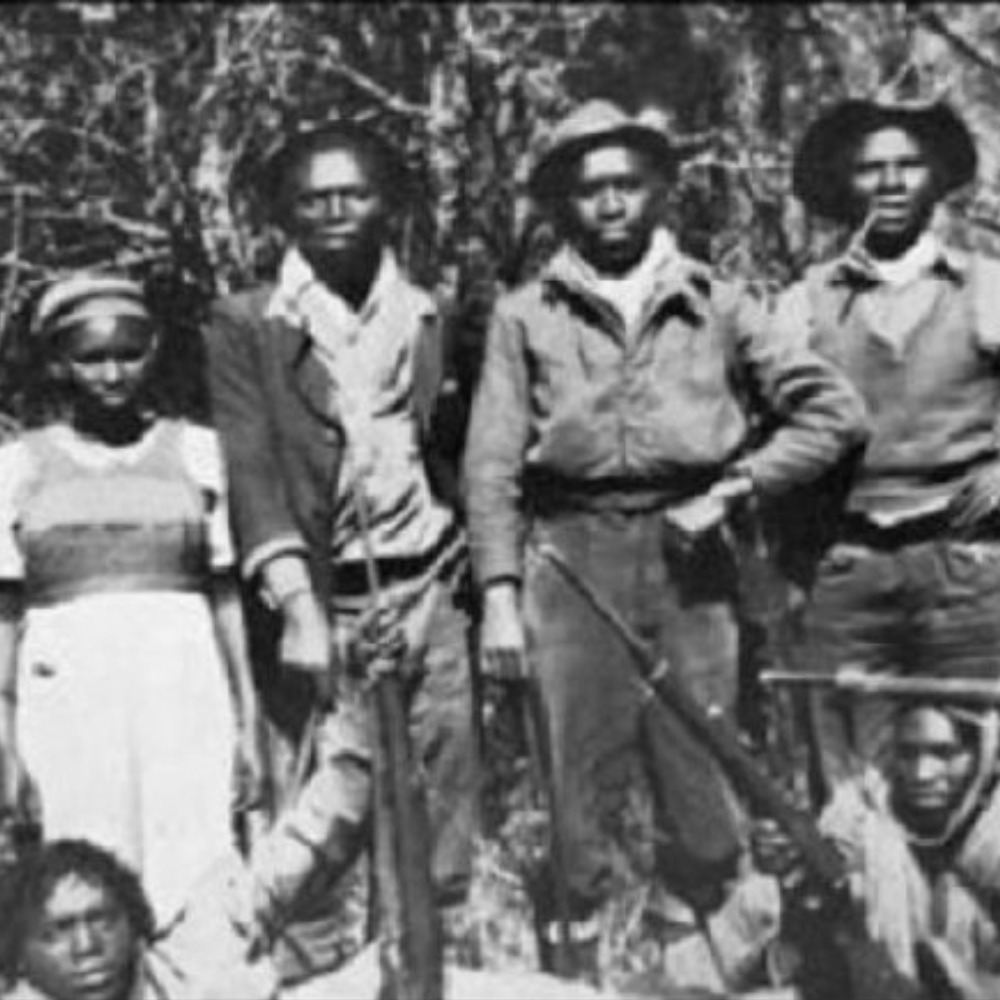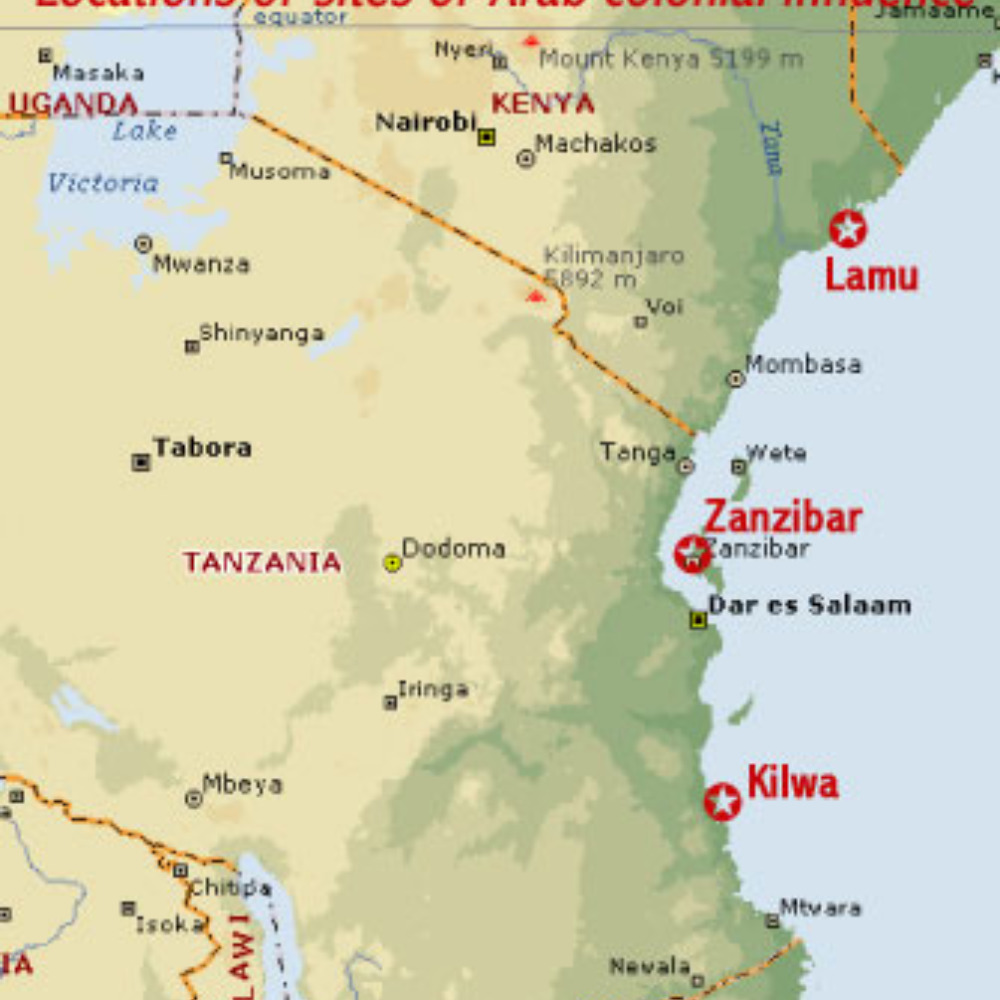
The Ashanti Resistance: Defiance Against British Expansion
The Ashanti Kingdom, centered in present day Ghana, was one of West Africa’s most powerful and politically sophisticated states. For centuries, the Ashanti resisted European encroachment, especially British attempts to dominate the Gold Coast. Their resistance was not a single event but a long arc of conflict, diplomacy, and cultural resilience that lasted from the early 19th century into the 20th.
Origins of Ashanti Power
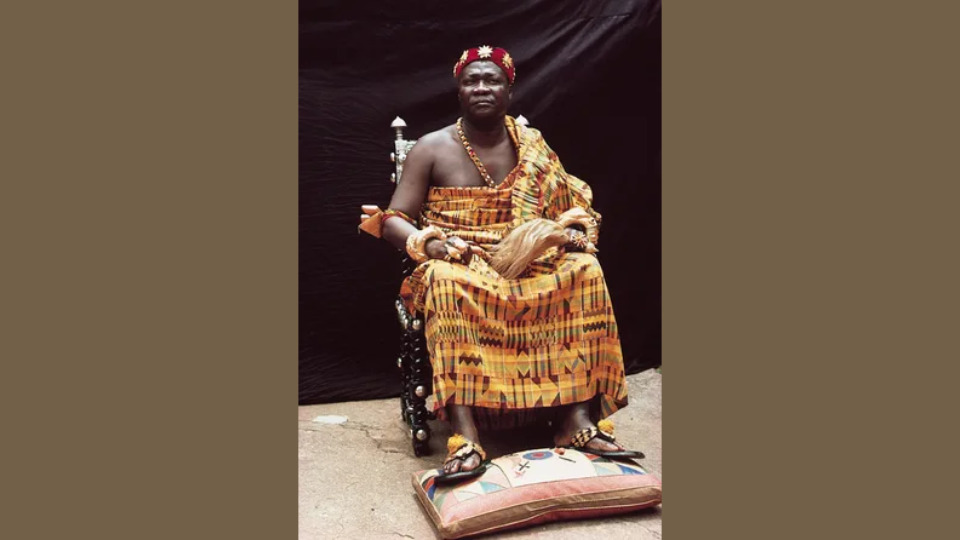
Asante Chief
Img Reference: Encyclopaedia Britannica. Photo by Doran H. Ross
The Ashanti emerged from the broader Akan world, unifying under Osei Tutu in the late 17th century with spiritual guidance from Okomfo Anokye. This unification created a centralized state anchored by the Golden Stool, the sacred symbol believed to embody the soul of the Ashanti nation. The kingdom grew wealthy through gold production and regional trade networks, establishing itself as a formidable regional power.
Early Clashes With the British
By the early 1800s, the British sought to expand inland from the coast, clashing with Ashanti interests. The Ashanti launched a major offensive in 1826, but superior European firepower forced them to retreat. A peace treaty followed in 1831, but tensions persisted as the British continued to expand their influence.
The Road to the 1900 War
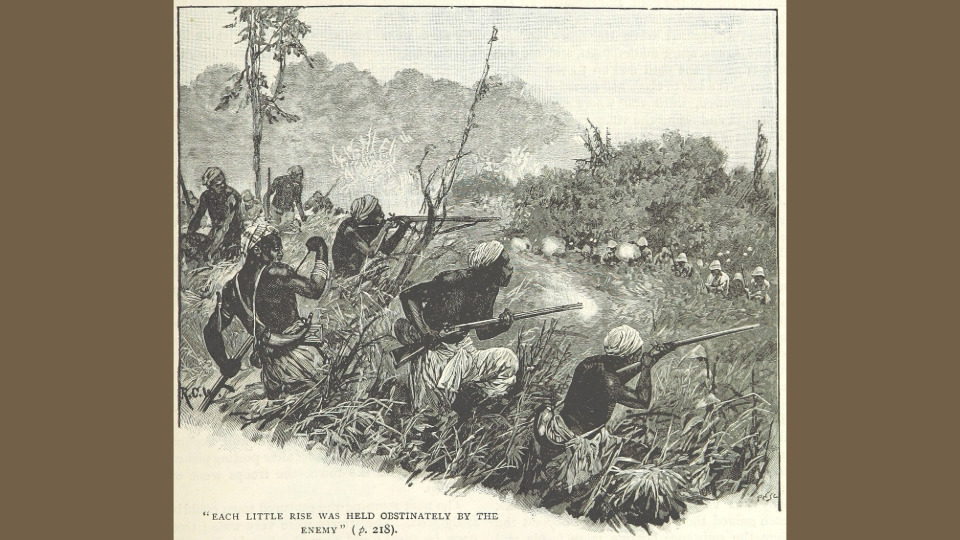
Battle of Amoaful – Part of Third Anglo-Ashanti War
Img Reference: By Archibald Forbes, Arthur Griffiths and others. - This file is from the Mechanical Curator collection, a set of over 1 million images scanned from out-of-copyright books and released to Flickr Commons by the British Library.View image on Flickr View all images from bookView catalogue entry for book., Public Domain, https://commons.wikimedia.org/w/index.php?curid=47178535
Throughout the 19th century, the Ashanti fought multiple Anglo Ashanti Wars. Economic shifts weakened the kingdom—especially after the decline of the slave trade, which had been a major revenue source. The British viewed this weakened state as an opportunity to assert full control over the region.
The War of the Golden Stool (1900–1901)
The most iconic moment of Ashanti resistance came in 1900, when the British governor demanded the surrender of the Golden Stool. To the Ashanti, this was not merely a political insult but a spiritual violation.
When male leaders hesitated, Queen Mother Yaa Asantewaa rose and delivered a historic call to arms, declaring that if the men would not fight, the women would. Her leadership ignited the Golden Stool War, one of the most significant anti colonial uprisings in African history.
Ashanti fighters held off British forces for months, defending their capital and sacred traditions. Although the British ultimately prevailed and exiled Yaa Asantewaa, the resistance became a symbol of national pride and inspired later independence movements.
Legacy of the Ashanti Resistance
The Ashanti did not fall easily. Their political structure, military discipline, and cultural unity allowed them to resist British domination for nearly a century. Even after formal annexation, Ashanti identity remained strong, and their resistance became foundational to Ghana’s 20th century nationalist movements.
Today, Yaa Asantewaa’s defiance and the symbolism of the Golden Stool remain central to Ghanaian cultural memory and Pan African narratives of resistance.
References
Ashanti: The Kingdom of Gold and Resilience Against Colonial Rule. Africa Press. The Ashanti Rebellion (1900–1901). WarHistory.org. warhistory.org


latest video


nia via inbox
Stay connected. Subscribe and get updated on what's new with Nia!