The Somali Dervish Movement: Faith, Resistance, and the Fight
The Somali Dervish Movement was one of the longest and most determined anti‑colonial struggles in Africa. From 1899 to 1920, it united multiple Somali clans under a religious and nationalist banner to resist British, Italian, and Ethiopian encroachment. Led by the charismatic Sufi scholar and poet Sayyid Mohammed Abdullah Hassan, the movement built a theocratic state, fought major battles, and became a symbol of Somali unity and defiance.
Origins and Leadership
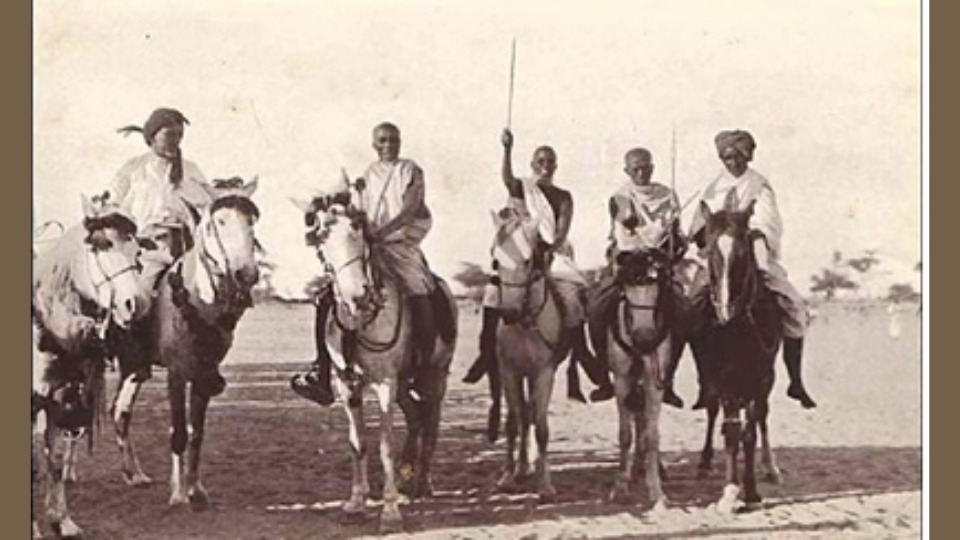
Somali Dervish Movement
Img Reference: Wardheer News
The movement emerged in 1899 as European powers tightened their grip on the Horn of Africa. Hassan, educated in Qur’anic sciences and Islamic jurisprudence, condemned colonial interference and called for a revival of Islamic governance. His message resonated widely, attracting followers from numerous Somali clans. Hassan established a ruling council, the Khususi, composed of Sufi elders and advisers—including one from the Ottoman Empire—giving the movement both religious legitimacy and international connections.
Building a Multi Clan Resistance
Between 1899 and 1905, the Dervish Movement attracted around 25,000 youth from different clans, forming a formidable fighting force. They acquired firearms and launched their first major attack on the Ethiopian garrison at Jigjiga, securing cattle and an early victory that boosted morale. The Dervishes soon declared the British administration in Somaliland their primary enemy, prompting Britain to arm rival Somali clans to counter them.
Military Campaigns and Strategy
.svg)
Flag of the Dervish Movement
Img Reference: Wikipedia - Vectorization of a preexisting file, Public domain, via Wikimedia Commons
The Dervishes fought a series of campaigns marked by mobility, deep knowledge of the terrain, and guerrilla warfare. After suffering losses in 1904, they reorganized into smaller units and continued their resistance. Their capital shifted over time—from Ilig (1905–1909) to Taleh (1913–1920)—reflecting both strategic adaptation and the pressures of colonial offensives. The Battle of Dul Madoba (1913) stands out as a major confrontation, demonstrating the movement’s resilience even as colonial forces intensified their efforts.
A Wider Anti Colonial Vision
Hassan’s movement was not only military but ideological. It sought to expel British and Italian influence and defeat Ethiopian expansion, replacing foreign rule with an Islamic system grounded in Sufi doctrine. This vision helped lay the foundations for a broader Somali national consciousness.
Decline and Legacy
By 1919, after two decades of conflict and the added strain of World War I, the Dervish state began to weaken. In 1920, a final British campaign—supported by airpower—destroyed the Dervish strongholds and ended the movement. Yet Hassan’s legacy endured. He is remembered as the “Father of the Somali People,” a symbol of unity, resistance, and cultural pride whose struggle continues to shape Somali identity.
References
Dervish Movement (Somali). Wikipedia. The Dervish Movement and Sayyid Mohammed Abdullah Hassan. History Article. radiosomaliland.com The Dervish Rebellion: Sayyid Hassan and Somali Resistance. Medium.


latest video


nia via inbox
Stay connected. Subscribe and get updated on what's new with Nia!