Ghana: The First Sub Saharan Nation to Gain Independence
Ghana’s independence on March 6, 1957 marked a turning point in African and global history. As the first sub Saharan African nation to break free from European colonial rule, Ghana became a symbol of possibility for liberation movements across the continent. Its path to independence was shaped by decades of political activism, constitutional reform, and the rise of charismatic nationalist leadership—most notably Kwame Nkrumah, whose vision helped transform the Gold Coast into a sovereign state.
Early Roots of Resistance
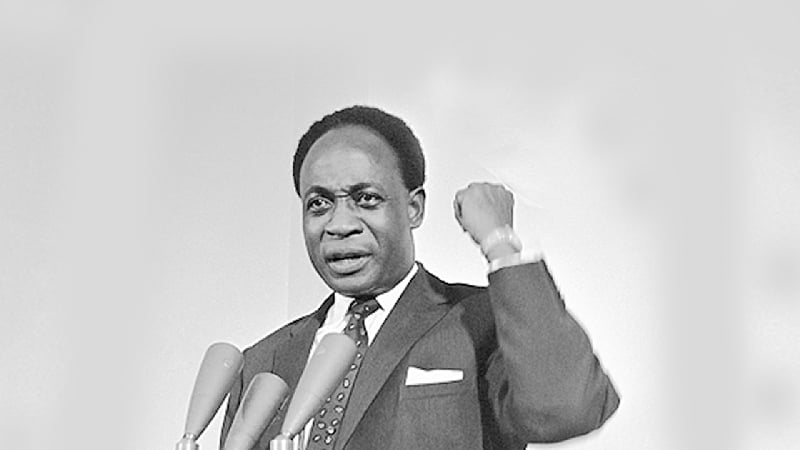
Kwame Nkrumah
Image Ref: Easy-History.com - Ghana's Founding Father: The Successes and Shortfalls of Kwama Nkrumah by Hannah Latham
The struggle for self rule began long before Nkrumah’s rise. In 1897, African lawyers and journalists formed the Aborigines’ Rights Protection Society (ARPS) to oppose British land policies that threatened communal ownership. Though not an independence movement, ARPS laid the groundwork for political consciousness and resistance.
By the 1940s, a new generation of educated elites—later known as the Big Six—emerged as leaders of nationalist activism. In 1947, they founded the United Gold Coast Convention (UGCC), calling for “self government in the shortest possible time.” Their approach emphasized negotiation and constitutional reform.
The Rise of Kwame Nkrumah
Kwame Nkrumah, educated in the United States and deeply influenced by Pan Africanist thought, returned to the Gold Coast in 1947 and became UGCC’s General Secretary. His radical belief in “self government now” clashed with the UGCC’s gradualism. After the Accra riots of 1948, sparked by the shooting of unarmed ex servicemen, Nkrumah’s popularity surged. His arrest alongside the Big Six turned him into a national hero.
In 1949, he broke away to form the Convention People’s Party (CPP), transforming nationalism into a mass movement driven by workers, youth, and trade unions. His Positive Action campaign—strikes, boycotts, and civil disobedience—led to his imprisonment, but it also demonstrated his unmatched influence.
Constitutional Reforms and the Road to Sovereignty
The British responded to rising unrest with constitutional reforms. The 1951 Constitution introduced universal suffrage and created a legislative assembly. The CPP won a sweeping victory, leading to Nkrumah’s release from prison and appointment as Leader of Government Business.
Further reforms in 1954 granted internal self government, with an all African cabinet and legislature. After another decisive CPP victory in 1956, Britain agreed to grant full independence.
Independence Day: March 6, 1957
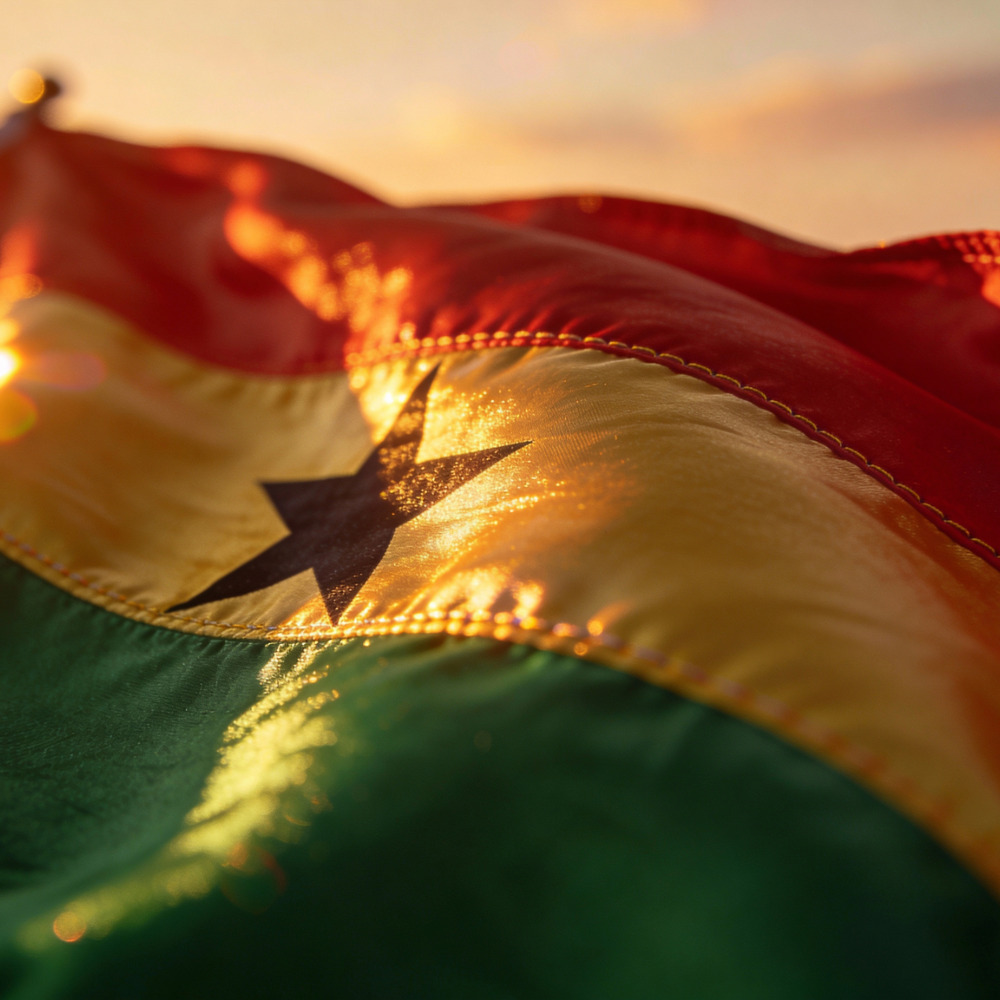
Just after midnight at the Old Polo Grounds in Accra, the British flag was lowered and the new Ghanaian flag raised. Nkrumah declared:
“Ghana, your beloved country, is free forever.”
Ghana’s independence resonated across Africa, inspiring liberation movements from Algeria to Zimbabwe.
Legacy and Continental Impact
Nkrumah envisioned Ghana as the “spearhead of African liberation.” His leadership helped energize Pan African movements and influenced independence struggles throughout the continent. Ghana’s success demonstrated that colonial rule could be dismantled through political mobilization, constitutional reform, and mass activism.
Though Ghana would later face political instability, its independence remains a defining moment in African history—a beacon for nations seeking freedom and self determination.
References
Ghana Independence 1957: History and Significance. LegalClarity. legalclarity.org
Ghana Independence 1957: How Kwame Nkrumah Changed Africa. I AM History. iamhistory.co.uk
Ghana – Independence, Gold Coast, Kwame Nkrumah. Encyclopaedia Britannica. Britannica

latest video

nia via inbox
Stay connected. Subscribe and get updated on what's new with Nia!