Algeria’s War of Independence: A Turning Point in African Liberation
The Algerian War of Independence was one of the most violent and transformative anti colonial struggles of the 20th century. Fought between 1954 and 1962, it ended 132 years of French rule and reshaped both Algerian society and French politics. The war became a defining example of modern guerrilla warfare, mass mobilization, and the global push for decolonization.
Origins of the Conflict

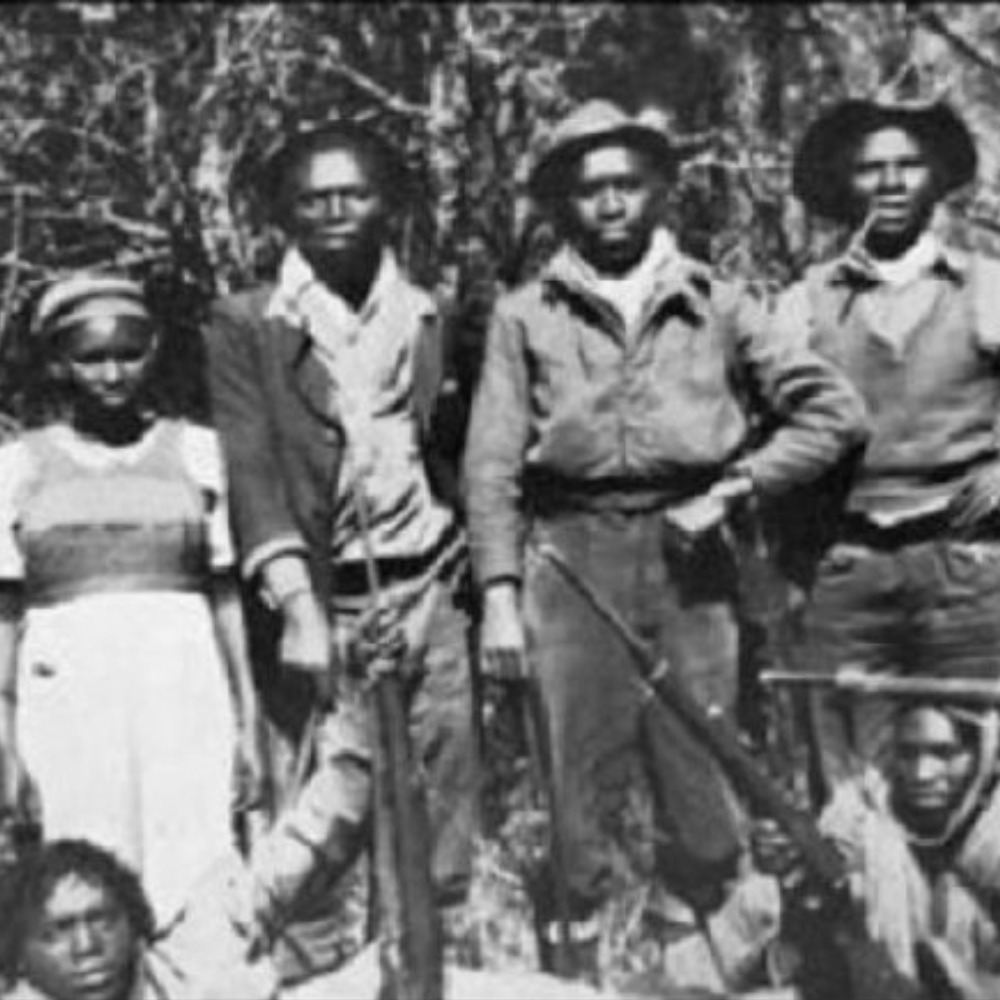
National Liberation Army Soldiers
Image Ref: Wikipedia - Soldiers of the National Liberation Army during the Algerian War of Independence.
Algeria had been under French control since 1834, later declared an integral part of France rather than a colony. This meant that over one million European settlers—known as pieds noirs—held political and economic dominance, while the Muslim Algerian majority faced discrimination, land dispossession, and limited political rights.
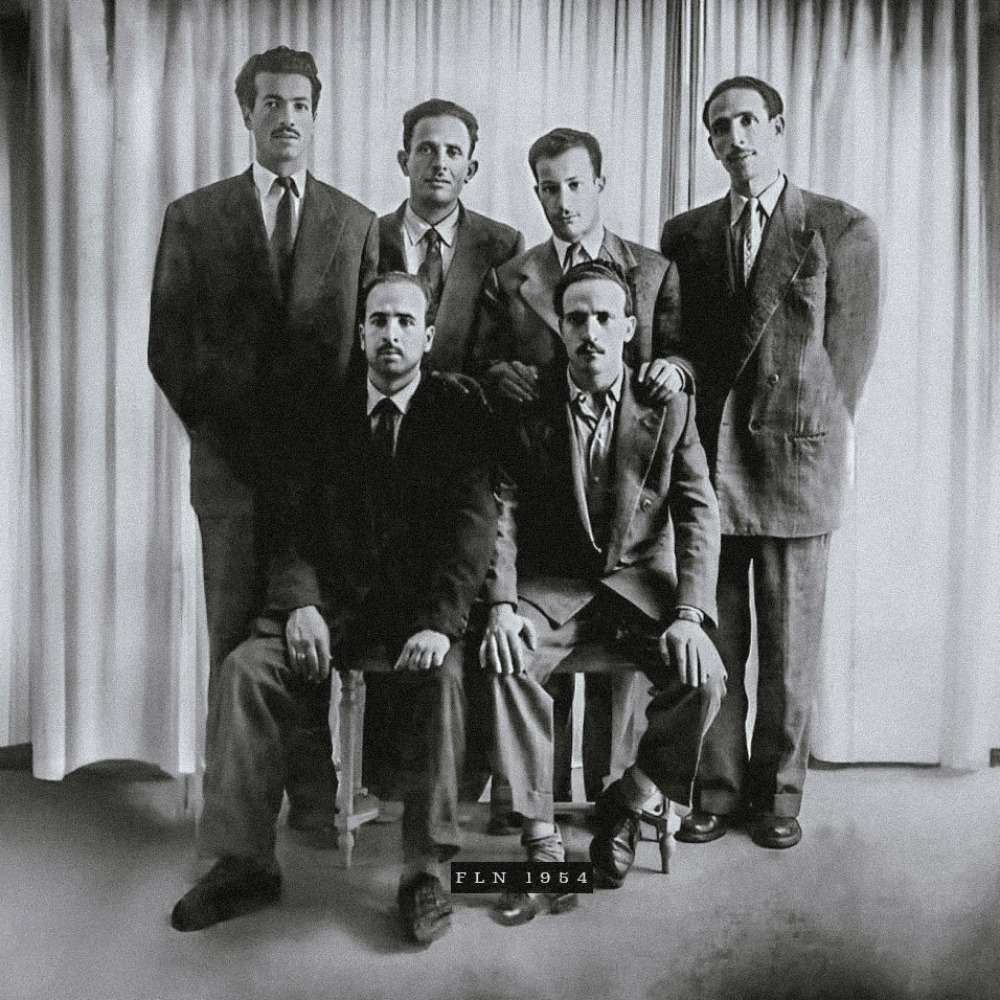
After World War II, Algerian demands for reform intensified. France promised greater self rule but failed to deliver, fueling frustration. By 1954, the National Liberation Front (FLN) concluded that only armed struggle could achieve independence. On November 1, 1954, FLN fighters launched coordinated attacks across Algeria—an event known as Toussaint Rouge—marking the start of the war.
Guerrilla Warfare and Escalation
The FLN waged a guerrilla campaign from rural strongholds and border zones, while also carrying out urban operations. The most famous of these was the Battle of Algiers (1956–1957), where FLN fighters used bombings, assassinations, and sabotage to challenge French control of the capital. French forces responded with mass arrests, torture, and counter insurgency tactics that drew global condemnation.
By 1956, France had deployed hundreds of thousands of troops, reaching a peak of nearly 500,000 soldiers. Despite military gains, the brutality of French tactics eroded political support at home and abroad.
International Pressure and Political Crisis in France
The war deeply divided France. The conflict contributed to the collapse of the Fourth Republic and the rise of Charles de Gaulle, who returned to power in 1958. Although initially ambiguous, de Gaulle eventually recognized that Algerians had the right to determine their own future.
Meanwhile, the FLN sought diplomatic recognition at the United Nations, framing the war as part of the global decolonization movement. International sympathy grew as reports of torture, civilian massacres, and mass displacement circulated.
Toward Independence
By 1960, massive demonstrations in Algeria and rising unrest in France made continued colonial rule untenable. Negotiations between France and the FLN culminated in the Évian Accords, signed in March 1962, which established a ceasefire and paved the way for a referendum. Algeria formally declared independence on July 5, 1962.
The human cost was staggering: estimates of Algerian deaths range from 400,000 to over 1 million, with millions more displaced. Tens of thousands of Harkis—Algerians who fought for France—were killed or forced to flee.
Legacy
Algeria’s victory became a powerful symbol for liberation movements across Africa. It demonstrated that a determined anti colonial struggle—supported by international diplomacy and mass mobilization—could defeat a major European power. The war also forced France to confront the realities of empire, accelerating decolonization across the continent.
References
Algerian War. Wikipedia. Algerian War of Independence. Encyclopaedia Britannica. The Algerian War of Independence. Lumen Learning.


latest video

nia via inbox
Stay connected. Subscribe and get updated on what's new with Nia!