Rebellions: The Aba Women’s War (1929)
The Aba Women’s War of 1929 was one of the most powerful and coordinated acts of anti colonial resistance in West Africa. Led by tens of thousands of women across southeastern Nigeria, it challenged British authority, exposed the failures of indirect rule, and reshaped colonial policy. Though often labeled a “riot” in colonial records, it was a strategic, organized political movement driven by women determined to defend their economic rights, social roles, and political voice.
What Sparked the Uprising
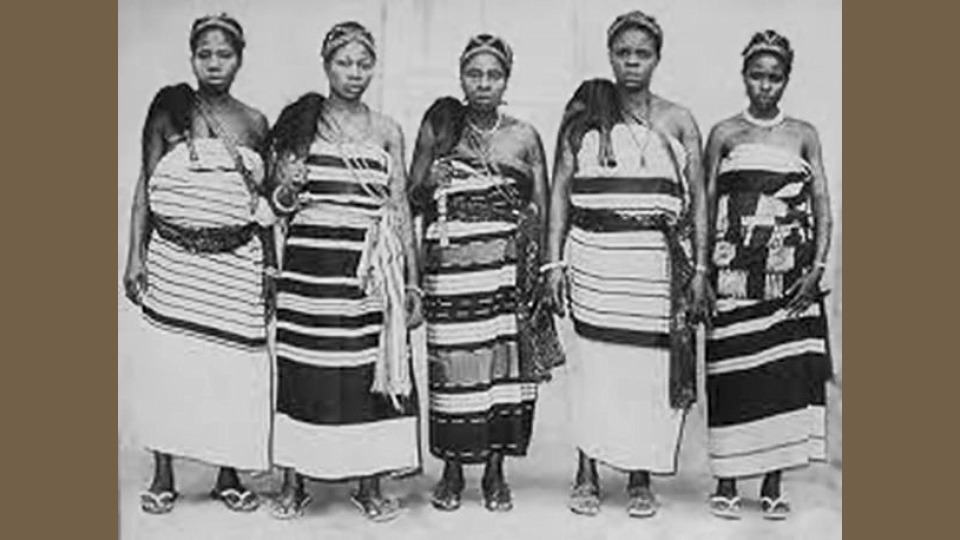
Aba women in traditional clothing
Img Reference: Language Conflict Encyclopedia
By the late 1920s, British rule in southeastern Nigeria relied on warrant chiefs—men appointed by colonial officers who held judicial and administrative power but had no traditional legitimacy. Women accused these chiefs of corruption, extortion, and restricting women’s long standing political influence.
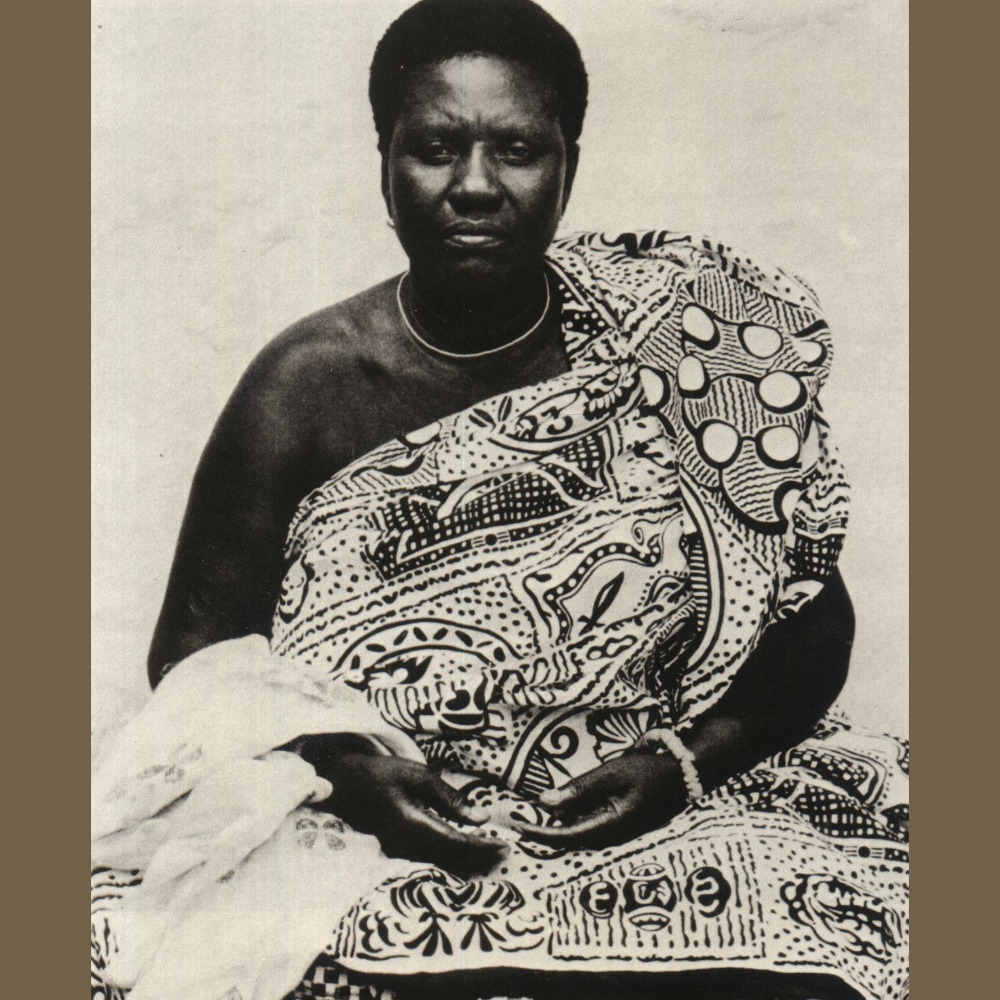
The immediate trigger came in November 1929, when a census officer questioned Nwanyeruwa, an Igbo woman, about her livestock. Women interpreted this as the first step toward taxing women, a violation of custom and a threat to their livelihoods. Nwanyeruwa alerted other women, sparking rapid mobilization across communities.
How the Women Organized
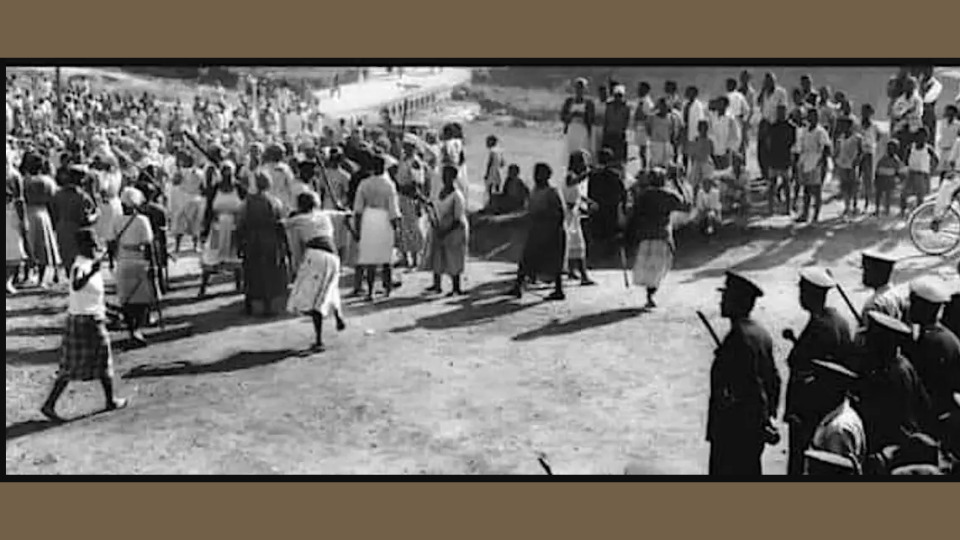
Aba Women’s Protest
Img Ref: Premium Times Nigeria
Women used a traditional protest method known as “sitting on a man”—surrounding officials, singing, dancing, and publicly shaming corrupt leaders. Within days, thousands gathered in Oloko, then spread across Owerri, Calabar, Aba, and surrounding districts. They shut down markets, blocked roads, followed warrant chiefs, and targeted Native Courts—sixteen of which were attacked or destroyed. Their coordinated actions disrupted colonial administration for weeks.
Key figures and organizations
Nwanyeruwa – Her confrontation with the census officer ignited the movement. Ikonnia, Nwannedia, and Nwugo – Influential organizers who helped coordinate mass gatherings across multiple ethnic groups.
The movement united women from Igbo, Ibibio, Andoni, Ogoni, Efik, and Ijaw communities—an unprecedented multi ethnic coalition.
Impact and Legacy
British forces responded with violence, killing more than fifty women and injuring many others. Yet the uprising forced major reforms: plans to tax women were abandoned, corrupt warrant chiefs were removed, and women were appointed to Native Courts for the first time.
Historians view the Aba Women’s War as the first major women led revolt in West Africa and a precursor to modern African nationalism, demonstrating the political power and organizational strength of working class African women.
References
Women’s War (1929). Wikipedia. Yusuf, Deborah Eli. “Revisiting the 1929 Aba Women’s Riots.” Internationalist Standpoint.

latest video


nia via inbox
Stay connected. Subscribe and get updated on what's new with Nia!