Kumasi: Walking Through the Heart of the Ashanti Kingdom
Kumasi: Walking Through the Heart of the Ashanti Kingdom
Kumasi is not a city you simply visit. It is a city you feel. A city that breathes history, culture, pride, and tradition in a way that wraps around you the moment you arrive. People call it the Garden City because of its greenery, but to me, Kumasi feels more like a living museum. Every street, every market stall, every drumbeat carries the spirit of the Ashanti Kingdom, one of the most powerful and influential empires in West African history.
I came to Kumasi expecting a quiet cultural trip. What I found was a city full of energy, color, and warmth. A place where tradition and modern life blend effortlessly. A place where you can learn, explore, dance, eat, and connect with people who treat you like family even if you have only known them for five minutes.
Morning: Manhyia Palace and the Story of a Kingdom
My day in Kumasi began at Manhyia Palace, the official residence of the Asantehene, the King of the Ashanti people. The palace grounds are peaceful, with tall trees and wide lawns that make you forget you are in a bustling city. The museum inside is small but powerful. It tells the story of the Ashanti Kingdom through photographs, artifacts, royal regalia, and personal belongings of past kings.
Walking through the museum felt like stepping into a timeline. I saw golden stools, ceremonial swords, kente cloths woven with intricate patterns, and gifts exchanged between Ashanti kings and world leaders. A guide explained the significance of the Golden Stool, the sacred symbol of the Ashanti nation. Hearing the story from someone who grew up with these traditions made it feel alive.
Outside, I watched as people came and went from the palace grounds. Some were locals paying respects. Others were visitors like me, trying to understand the depth of Ashanti culture. The air felt calm, almost sacred.
Midday: Kejetia Market and the Beautiful Chaos of Kumasi
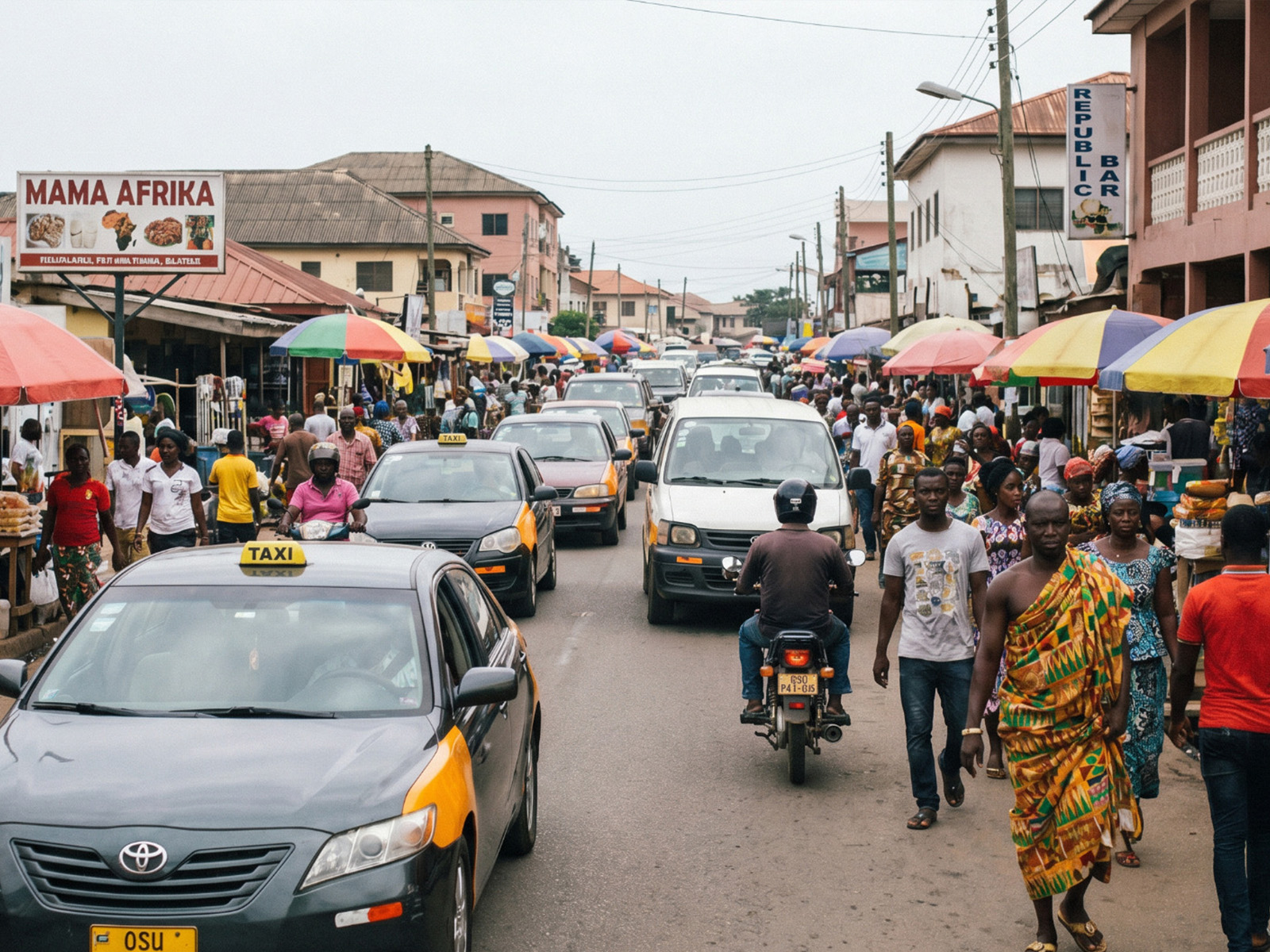
If Manhyia Palace is the heart of Ashanti history, then Kejetia Market is the heartbeat of modern Kumasi. It is one of the largest open-air markets in West Africa, and stepping inside feels like entering a world of color, sound, and movement.
Vendors called out prices. Women balanced baskets on their heads with effortless grace. Tailors worked on sewing machines. The smell of spices, smoked fish, and fresh produce filled the air. Everywhere I looked, something was happening.
I wandered through stalls selling kente cloth in every color imaginable. Reds, golds, greens, blues. Patterns that told stories of royalty, bravery, unity, and celebration. A weaver explained how each design carries meaning, and how kente is not just fabric but identity.
I bought a small strip of kente from a woman who smiled like she had known me for years. She tied it around my wrist and said, Now you carry a piece of Kumasi with you. It felt like a blessing.
Kejetia Market is overwhelming at first, but once you relax into the flow, it becomes one of the most exciting places you will ever explore.
Afternoon: Lake Bosomtwe and the Calm Beyond the City
After the intensity of the market, I needed a moment of peace. So I headed to Lake Bosomtwe, a crater lake about an hour outside Kumasi. The drive took me through small villages, green hills, and winding roads that made the city feel far away.
When I reached the lake, the world felt still. The water was calm and glassy, reflecting the sky like a mirror. Children played along the shore. Fishermen paddled across the water in wooden canoes. The air smelled fresh and earthy.
I sat under a tree and let the quiet settle around me. Lake Bosomtwe is considered sacred by the Ashanti people, and you can feel that energy. It is peaceful in a way that makes you breathe deeper.
I dipped my feet in the water and watched the ripples spread out. It felt like the perfect balance to the vibrant chaos of Kumasi. A reminder that Ghana is full of contrasts that somehow fit together beautifully.
Evening: Cultural Center, Drumming, and the Rhythm of Kumasi
As the sun began to set, I returned to the city and headed to the Kumasi Cultural Centre. The courtyard was filled with artists carving wood, weaving cloth, and shaping pottery. The smell of sawdust and clay mixed with the sound of drums echoing from a nearby performance space.
I joined a small drumming workshop led by a local musician. He taught us basic rhythms on the djembe and talked about how drumming is woven into Ashanti ceremonies, celebrations, and storytelling. The beats were simple at first, then faster, then layered. Soon the whole group was playing together, laughing when we messed up and cheering when we got it right.
After the workshop, I browsed the craft stalls. I bought a small wooden carving of an Adinkra symbol that means strength. The artist told me he carved it from local wood and blessed it with good energy. I believed him.
Night: Food, Laughter, and Kumasi After Dark
For dinner, I went to a local chop bar where the food was hot, fresh, and full of flavor. I ordered fufu with light soup and goat meat. The server smiled when she saw me struggling to eat fufu properly and gave me a quick lesson. By the end of the meal, I felt like I had passed a cultural test.
Outside, the night was warm and lively. People gathered in small groups, talking, laughing, and listening to music. Kumasi at night feels friendly and relaxed. The city slows down, but it does not sleep. It simply shifts into a softer rhythm.
Kumasi’s Quiet Power
Kumasi is not flashy. It is not trying to impress you. It does not need to. Its beauty is in its culture, its people, its history, and its spirit. It is a city that teaches you, welcomes you, and stays with you.
If you visit Kumasi, take your time. Explore the markets. Learn the stories. Listen to the drums. Feel the pride of the Ashanti Kingdom in every corner of the city.
Kumasi is culture. Kumasi is history. Kumasi is home


latest video



nia via inbox
Stay connected. Subscribe and get updated on what's new with Nia!