15 African Proverbs About Beauty and Clothing
I’ve always believed that proverbs are simple words with hidden wisdom embedded if you know where to look. In Africa, proverbs carry culture, history, and a way of seeing the world. And these proverbs are also used to convey messages of beauty.
When I think about beauty, I don’t just mean looks. I mean how we carry ourselves, what we choose to wear, and how those choices say something about who we are. Same with clothing: it’s more than fabric. It can show culture, pride, values.
In this post, I’ll share 15 African proverbs about beauty and clothing. After that, we’ll talk about why these proverbs still matter today (maybe more than ever).
Why Proverbs About Beauty & Clothing Matter
- Beauty is character, not just looks
Many African proverbs remind us that true beauty isn’t just the face or fancy clothes. If you don’t have kindness, respect, integrity, it doesn’t matter how beautiful you look. - Clothing is cultural expression
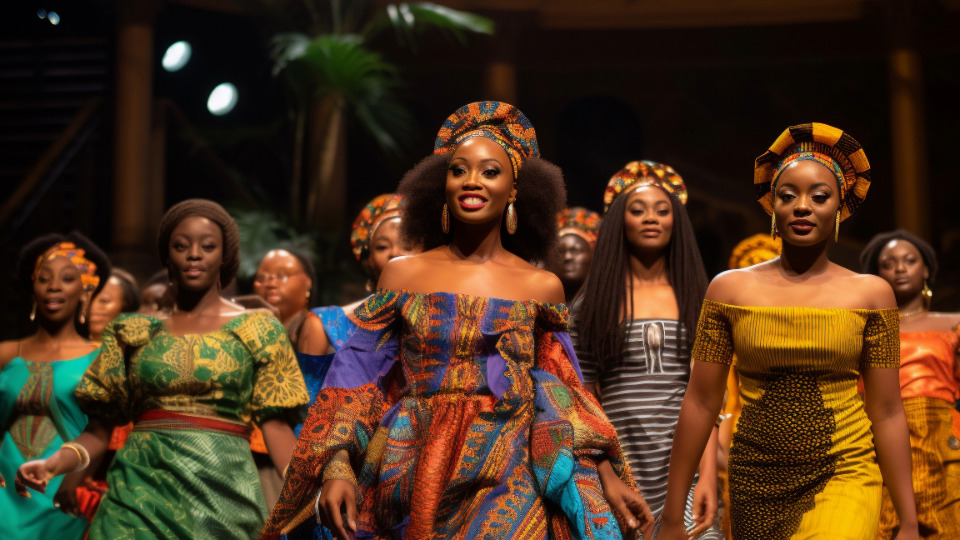
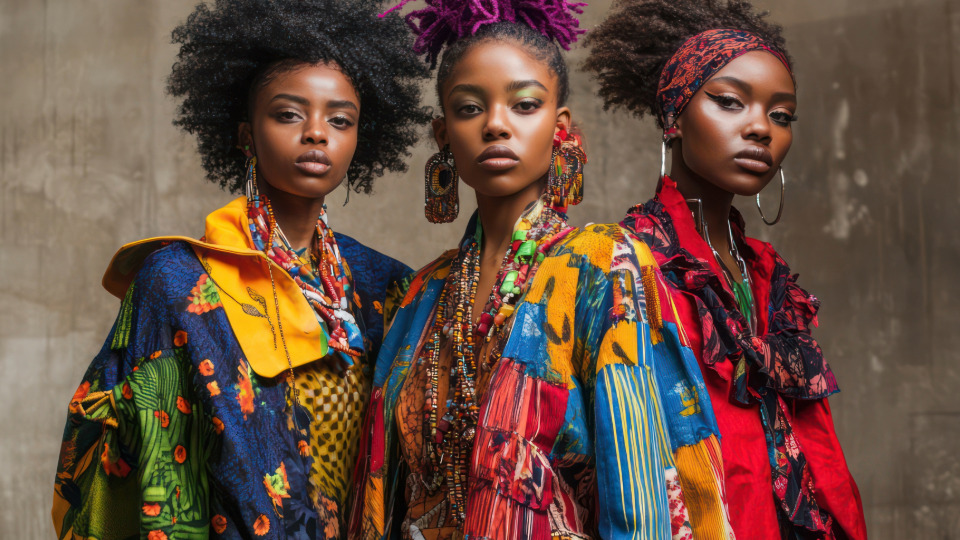
Clothes aren’t just to cover up or to show style. In many African societies, what you wear can show your tribe, your beliefs, your status, even your mood. For instance, fabrics like the kanga in East Africa don’t just look beautiful—they sometimes carry sayings and messages. - Modesty and humility
Some proverbs stress that beauty should come with humility. Fancy clothes without humility or good behavior is empty. - Clothing as storytelling
The designs, the cloth patterns, the way someone dresses, these all tell stories. The bògòlanfini (mud cloth) of Mali is more than fashion; its patterns carry meaning. And fabric prints like Ahwenepa nkasa (meaning “good waist beads do not make noise”) show how clothing designs can be proverbs themselves.
Here are 15 beautiful proverbs from across Africa, each showing us how beauty and clothing are seen beyond the surface.
1. “A pretty face and fine clothes do not make character.” Congolese Proverb
This reminds us that character outweighs fashion or looks. True beauty lies within.
2. “You are beautiful, but learn to work, for you cannot eat your beauty.”
Beauty is not a substitute for hard work. It teaches self-reliance and responsibility.
3. “Even the best cooking pot will not produce food.”
Just like a pot is useless without food, beauty without values is empty.
4. “The skin of the leopard is beautiful, but not his heart.”
Outer beauty can deceive if inner qualities are lacking.
5. “One who plants grapes by the roadside, and one who marries a pretty woman, share the same problem.”
Beauty invites trouble; expectations follow.
6. “No matter how many new clothes a young man has, he can never have as many rags as the elderly.”
Experience outlasts appearances; age/experience bring respect or results beyond just having nice things.
7. “The surface of the water is beautiful, but it is no good to sleep on.”
What looks soft or good on the surface may be unstable or dangerous underneath.
8. “Beware of the naked man who offers you clothes.”
Be cautious of help or promises coming from those who themselves can’t help; sometimes offers are deceitful.
9. “Before you ask a man for clothes, look at the clothes he is wearing.”
Observe what someone does (their appearance, actions) before expecting help or judging.
10. “Dress up a stick and it’ll be a beautiful bride.”
Even poor things look good if you dress them up well.
11. “Clothes should not be made for an unborn child.”
Don’t plan beyond what you can manage; what seems fancy might be unnecessary if resources aren’t there.
12. “He whose mother is naked is not likely to clothe his aunt.”
If you don’t take care of your own, you’re less likely to help extended responsibilities.
13. “A woman who wants a child doesn’t sleep in her clothes.”
You don’t hold on to what you need so badly; there’s a letting go or humility in desire.
14. “Clothes make the man.”
What you wear often influences how people treat you or perceive you.
15. “Even if you wash your clothes in very hot water, you still need to dry them.”
Effort is needed in more than one dimension; appearance alone isn’t enough, you need substance.
These proverbs show us that:
- Inner beauty wins: Looks fade, but character lasts forever.
- Balance matters: It’s not about rejecting beauty or clothes, but about balancing them with values.
- Humility stays timeless: No matter how beautiful or stylish you are, humility will always elevate you.
What truly defines us is our heart, our actions, and the values we live by.
So next time you admire someone’s outfit or even your own reflection, remember what the elders said.
latest video


nia via inbox
Stay connected. Subscribe and get updated on what's new with Nia!