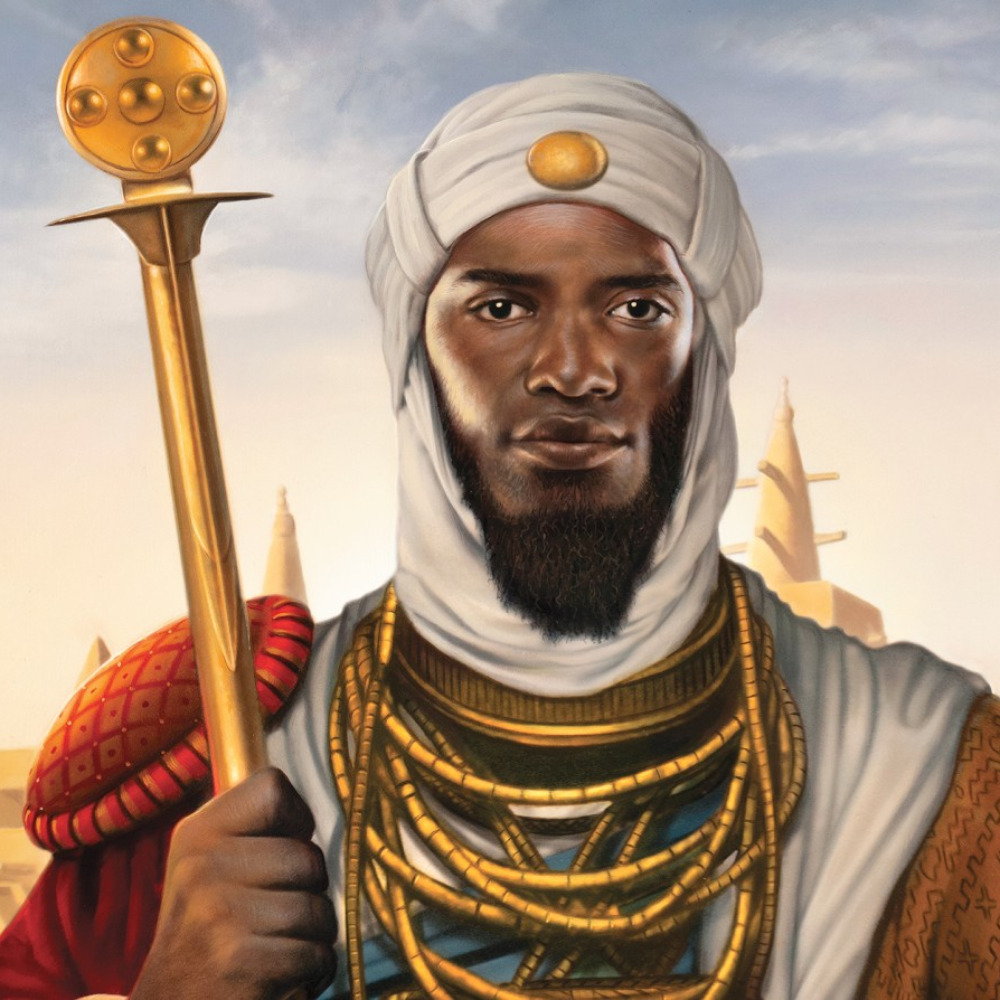
Sonni Ali Ber – A Biography
Sonni Ali (Sonni Ali Ber) ruled Songhai from about 1464 to 1492 and transformed it into a powerful West African empire through rapid military conquest, control of Niger River trade, and innovative riverine warfare.
Beginnings and accession
Sonni Ali rose to power around 1464, inheriting a Songhai polity centered on Gao and the upper Niger valley at a moment when Mali’s influence was waning. He belonged to the Sonni dynasty and combined local Songhai traditions with an Islamic education, positioning him to operate across religious and cultural boundaries as he expanded the state Wikipedia.
Military campaigns and conquests
Sonni Ali’s reign is defined by rapid territorial expansion and decisive control of trade hubs. He took Timbuktu in the late 1460s after intervening against Tuareg occupiers and captured Djenné in 1473 after a prolonged siege, securing the Inner Niger Delta and key commercial nodes. His forces combined cavalry, infantry, and a powerful river fleet, enabling coordinated campaigns across the Niger and against neighboring polities, which transformed Songhai into the dominant power of the western Sudan Wikipedia Britannica.
Governance, religion, and administration
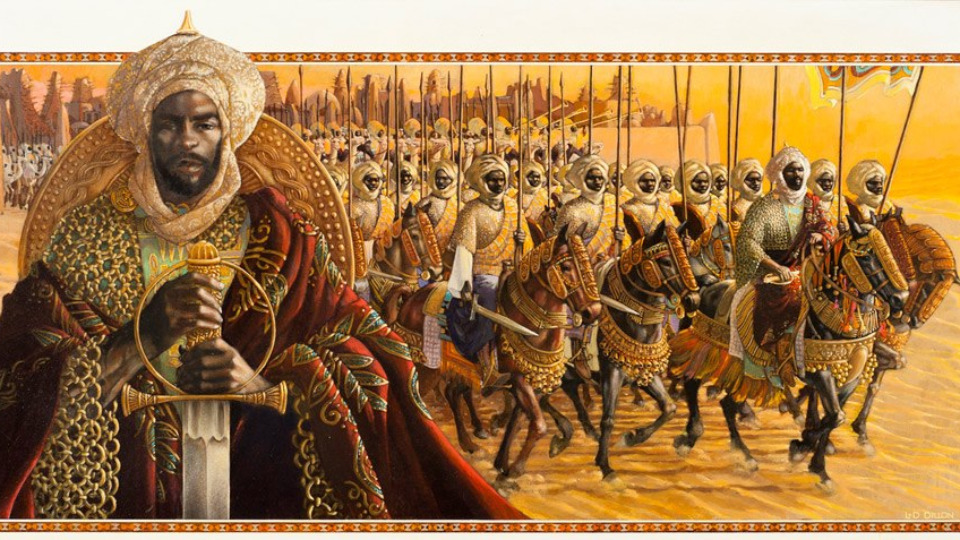
Sonni Ali Ber – Songhai Emperor
Sonni Ali governed a religiously mixed empire and practiced a syncretic faith, blending Islamic rites with traditional Songhai practices; this stance provoked hostility from Timbuktu’s Muslim scholars, who recorded episodes of repression and summary executions. Administratively, he prioritized securing commerce—controlling ports, taxing caravans, and integrating conquered territories—favoring pragmatic control over the imposition of strict Sharia law and thereby stabilizing and expanding Songhai’s economic base Wikipedia Britannica.
Innovations and notable features
A defining innovation of Sonni Ali’s rule was riverine warfare: war canoes and control of the Niger allowed rapid troop movement, logistical support, and sieges that inland cavalry alone could not achieve. His strategic use of the river, combined with effective cavalry tactics, gave Songhai a decisive edge over rivals and raiders such as the Mossi and Tuareg Wikipedia.
Death and legacy
Sonni Ali died in 1492 (some sources give 1493). His son Sunni Baru briefly succeeded him but was soon overthrown by Askia Muhammad, who established a more Islamically orthodox regime and expanded Songhai further. Sonni Ali’s legacy is complex: he laid the military and territorial foundations for Songhai’s golden age while provoking the religious and scholarly backlash that shaped the empire’s subsequent ideological and political evolution Wikipedia Britannica.
References
- Sonni Ali, Wikipedia, https://en.wikipedia.org/wiki/Sonni_Ali Wikipedia.
- “Sonni ʿAlī”, Encyclopaedia Britannica, https://www.britannica.com/biography/Sonni-Ali Britannica.
- King Sunni Ali — AFA, AFA historical summary, https://www.afa-afa.org/kings/king-sunni-ali afa-afa.org.


latest video


nia via inbox
Stay connected. Subscribe and get updated on what's new with Nia!