Ancient Egypt-3400–3100 BCE
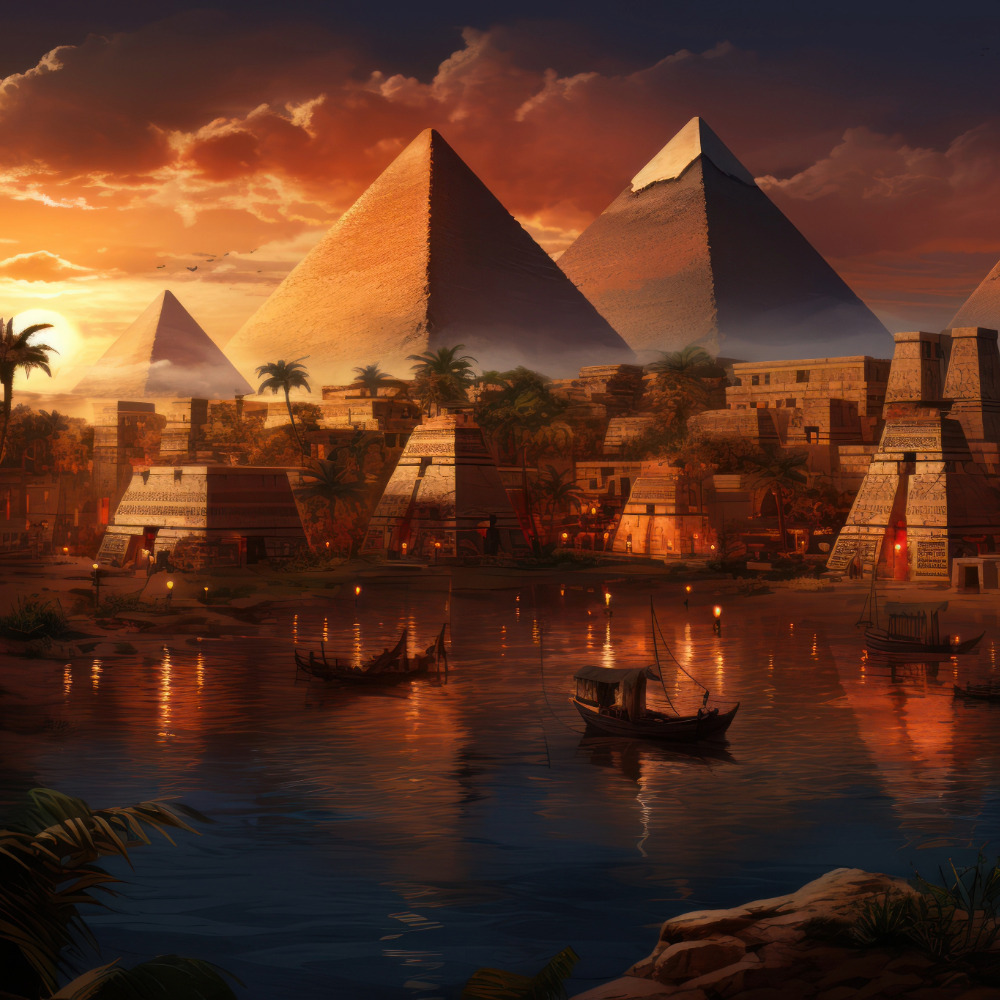
Ancient Egypt, which emerged around 3400–3100 BCE, is generally believed to be the cradle of civiization. It was a powerful and technologically advanced civilization and believed to have lasted for over 30 centuries (Laukens,2015).
The 4th century AD was noted as the period of the disappearance of ancient Egyptian writing. According to Marc Van Mier (2020), Egyptian written hyroglyphics can be traced between 3250 to 2750 BCE. Van Mier suggests that the extent of the boundary of ancient Egypt seem to be obvious because researchers and tourists focused their attention exclusively around the Nile valley where monuments and ancient sites are easily reachable. During the construction of the Aswan dam, archeologists discovered ancient tombs and temples from ancient cities and villages yet to be excavated in modern times.
Governance, Society, and Spirituality
Early Egyptian societies were Neolithic circa 3400 to 3100 BCE. These were the new stone age periods when prehistoric humans evolved and developed some sort of technology such as using tools shaped to grind and process grains, polish, and dependence of domesticated animals and plants in farming. During this period, humans began to settle in small agrarian communities. They formed themselves into tribes for protection against dangers such as animals and supernatural forces (Joshua Mark, 2017).
Living in communities required leadership and established governance systems and laws. It led to the rise of kingship around 3100 BCE. King Menes established the first dynasty and founded Memphis as the capital. Kings or Pharaohs are regarded as both political and spiritual leader believed to be earthly gods. The Pharaoh’s authority was absolute and devinely sanctioned. he blend of artistic expression and pragmatic governance exhibited by the Egyptians offers insights that continue to resonate today, where themes of order, balance, and universal harmony are prized measures of societal success.
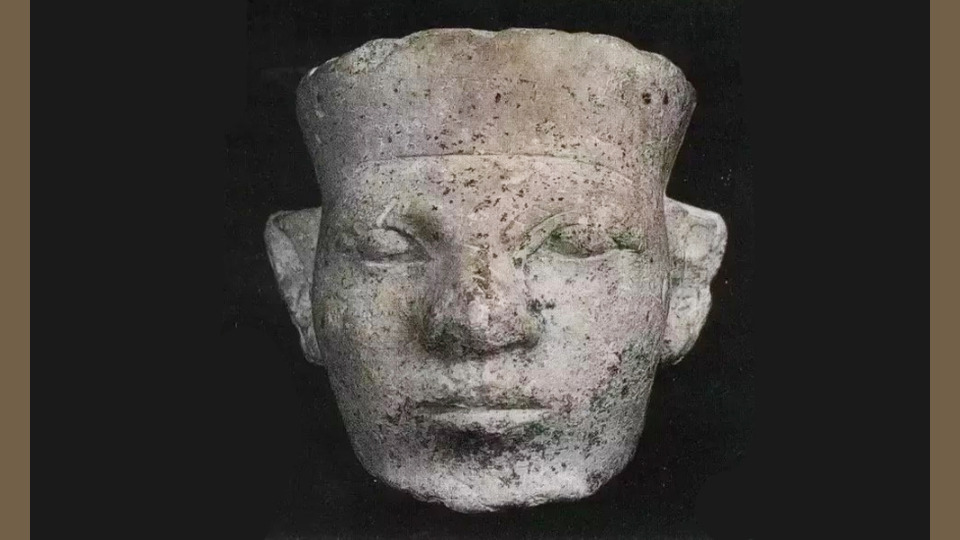
King Menes
The Pharaoh appointed administrators to oversee taxation, agriculture, justice and public affairs. Fetishism, Totemism, were used fas the people’s protective powers. Egyptians believed in harmony and balance and conceptualized that these gods would provide stable and productive life. The blend of artistic expression and pragmatic governance exhibited by the Egyptians offers insights that continue to resonate today, where themes of order, balance, and universal harmony are prized measures of societal success (https://www.momentslog.com/)
The Egyptian society was divided into social classes. The nobility took care of those under them by providing jobs and distributing food. The king represented the gods and officially owned all the land. Taxes were levied and collected through the offices of the vizier and, once stored, these goods were then redistributed back to the people. (Joshua Mark, 2017).
Bureaucrats, architects, engineers, and artists carried out domestic building projects and the implementation of policies, and the military leaders took care of defense. The priests served the gods, not the people, and doctors, dentists, astrologers, and exorcists dealt directly with clients through medicine and magic. Spirituality in early Egypt was deeply integrated into daily life, governance, and the natural world.
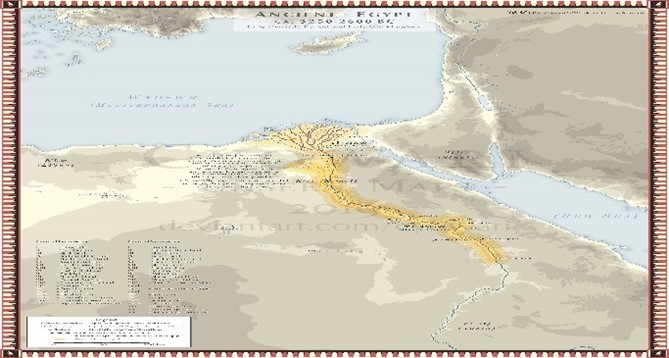
ancient-egypt-map
Ancient Egypt - Old Kingdom - ca 3250-2600 BC by Cyowari on Deviant Art
Decline and Diaspora Echoes
Several intertwined factors led to Egypt’s fall. Some factors include environmental collapse such as drought, erratic flooding of the Nile, and the opportunistic foreign invaders which disrupted agriculture, leading to famine and economic instability.
Roos (2022) noted that the the Egyptian empire reached the peak of its power, wealth and influence in the New Kingdom period (1550 to 1070 B.C.), during the reigns of kings Tutankhamum, Thutmose III and Ramses II, pharaohs in Egypt. Roos (2022) reports that the Egyptian Empire controlled an expansive territory encompassing modern-day Egypt through the northern Sinai peninsula and the ancient land of Canaan now modern-day Israel, the West Bank and Gaza, Jordan and the southern portions of Syria and Lebanon.After Pharaoh Ramses III was murdered in 1155 B.C., and the economic crises afterward which adversely impacted the lives of the citizens caused political unrests, the Egyptian Empire was brought to its knees.
The Legacy and Today
Ancient Egypt’s legacy continues to shape the modern world in profound and often surprising ways. From architecture to spirituality, its influence is woven into the fabric of contemporary life. Chloe (2025) noted that “as civilizations began to rediscover these works, the revival of ancient motifs in art and design underscored the timeless appeal of Egypt’s creative spirit, bridging the gap between antiquity and the modern era.”
The precision and scale of Egyptian architecture inspired modern engineering feats and symbolic structures like memorials and museums, monumental architecture, the construction of the pyramids, its innovations and artistic expressions continue to resonate in our daily lives. (Mexicohistorico.com). these advanced engineering skills exprosed the organizational capabilities of the Egyptians. Ancient Egypt’s use of geometry and arithmetic in construction and astronomy laid foundations for modern math and engineering.
Concepts like axial alignment and sacred geometry in temple layouts influenced city planning and public spaces globally to this day. Hieroglyphs laid the groundwork for symbolic writing systems and inspired modern typography and design aesthetics, record-keeping, religious texts, and monumental inscriptions. Egypt’s sophisticated record-keeping systems influenced administrative practices in governance and education. Chloe (2025) argued that in science education, Egypt’s scientific spirit that animated ancient Egyptian inquiry remains a vibrant influence on current research methodologies and practices.
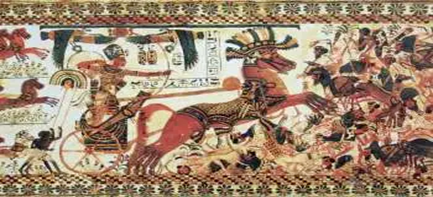
ancient-egypt-map2
https://www.studentsofhistory.com/the-decline-of-egypt
The Nile River was the lifeblood of Egypt, providing fertile land through annual floods that deposited nutrient-rich silt (mexicohistorico.com). This establishment of communities due to the benefits of agricultural abundance around the River Nile allowed for the growth of a complex society which the world still benefits from.
In Science and Medicine, Chloe (2025) argued that “early methods of diagnosis and treatment, influenced by the spiritual as well as the empirical, laid the groundwork for integrating holistic approaches in modern healthcare. Such practices remind us that the pursuit of knowledge is a timeless endeavor, bridging the gap between ancient wisdom and cutting-edge scientific research.”
This era also marked the establishment of a centralized state and the consolidation of power in the hands of the pharaohs, ensuring stability and prosperity. Egypt’s experience is not just a relic of the past—it’s a living legacy that continues to inform how we build, think, govern, and believe.
References
Chloe (2025). Architectural Wonders: Building The Legacy Of Egypt: Uncovering the Birth of Ancient Egypt and Its Impact on Modern Civilization. https://www.momentslog.com/history/uncovering-the-birth-of-ancient-egypt-and-its-impact-on-modern-civilization
Laukens, Dirk (2015). Ancient Egypt Online- History, Gods, Pharaohs & Daily Life.
https://www.ancient-egypt-online.com/index.html
Late Stone Age, Neolithic Period, New Stone Age. https://www.britannica.com/event/Neolithic
Mark, J. J. (2017, September 21).. World History Encyclopedia. Retrieved from https://www.worldhistory.org/article/1123/social-structure-in-ancient-egypt/
Okafor, V. O. (1991). Diop and the African Origin of Civilization an Afrocentric Analysis. Journal of Black Studies, 22(2), 252-268.
Roos, Dave (2022) What Caused Ancient Egypt’s Decline?
A&E Television Networks. https://www.history.com/articles/decline-ancient-egypt-causes
The Decline of Ancient Egypt. https://www.studentsofhistory.com/the-decline-of-egypt
The Influence of Egypt on Modern Civilization. https://www.mexicohistorico.com/paginas/the-influence-of-egypt-on-modern-civilization-d57ef69b.html

latest video


nia via inbox
Stay connected. Subscribe and get updated on what's new with Nia!